
Engagement Rings for Women: A Guide to Choosing the Right Ring
An engagement ring is one of the most personal pieces of jewellery we choose. Worn close to the body and often every day, it becomes more than a symbol of commitment. Over time, it gathers memories, marks a shared history, and becomes part of the person who wears it.
For generations, engagement rings for women have been associated with familiar traditions, from solitaire engagement rings to classic diamond settings. Today, the possibilities are broader. A ring can be chosen for its form, material, craftsmanship, or the story it carries, allowing the engagement ring to reflect the individual rather than convention alone.
Whether you are drawn to minimalist forms, sculptural designer engagement rings, precious gemstones, or unexpected natural materials, choosing the right ring begins with the person who will wear it.
Engagement Rings

How to Choose an Engagement Ring That Reflects Their Style
When choosing an engagement ring for someone else, their existing jewellery is often the best place to begin. Consider whether they wear jewellery every day or only occasionally, whether they are drawn to gold or silver, and whether they prefer clean architectural lines or more organic forms.
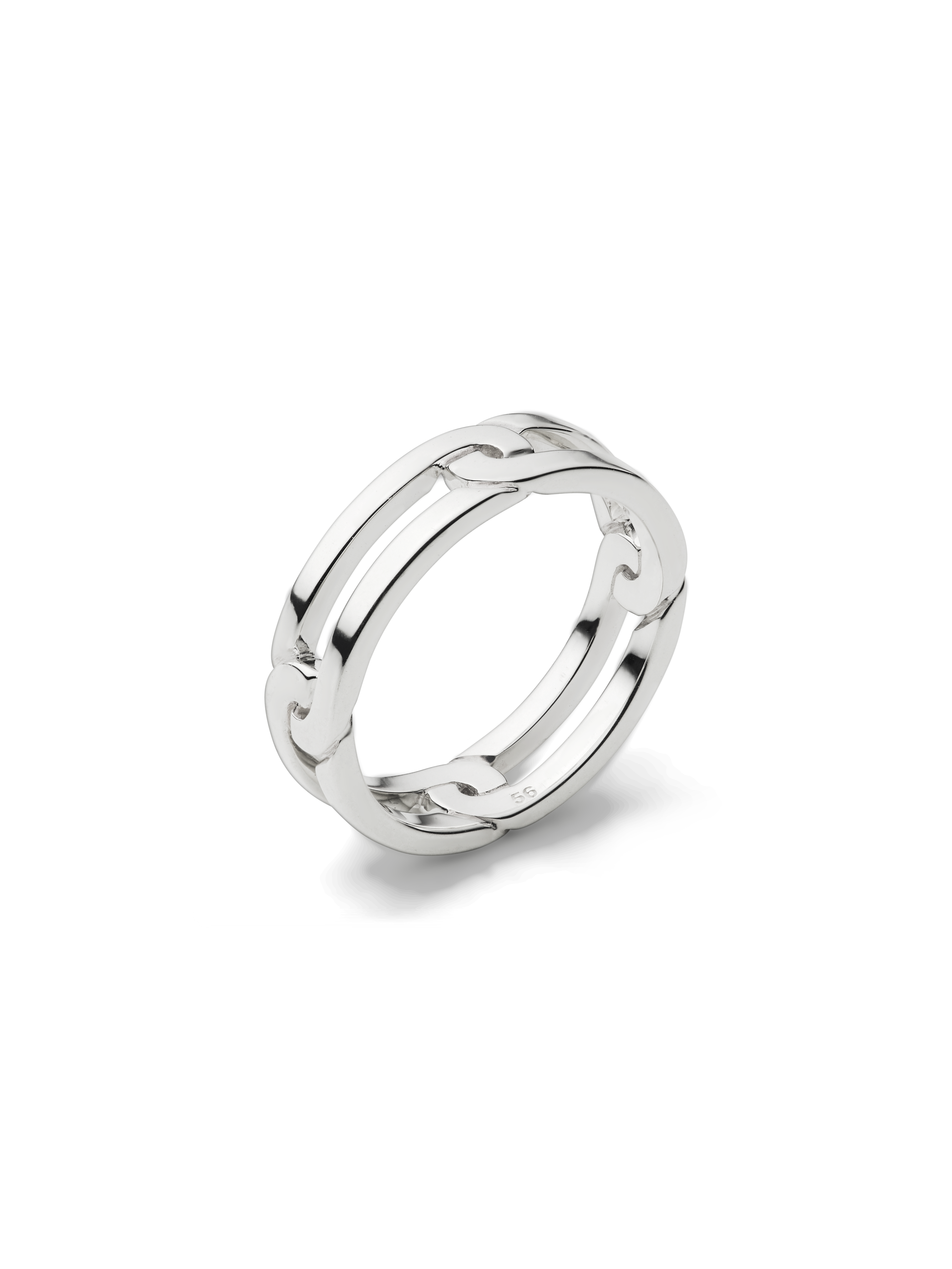
For someone with an understated style, a minimalist engagement ring may feel most natural. Others may be drawn to stronger proportions, unusual materials, or a ring with a more sculptural presence.
Unique engagement rings do not necessarily need to be elaborate. Individuality can come from a subtle detail, an unexpected material, the colour of a gemstone, or simply a form that moves beyond the traditional engagement ring.
Ultimately, the right engagement ring should reflect the person who will wear it, rather than an expectation of what an engagement ring should look like.
Beyond the Traditional Diamond Engagement Ring
The diamond solitaire is one of the most recognisable engagement ring styles, but diamonds are only one way of marking commitment. Coloured gemstones and natural materials offer a more individual expression.
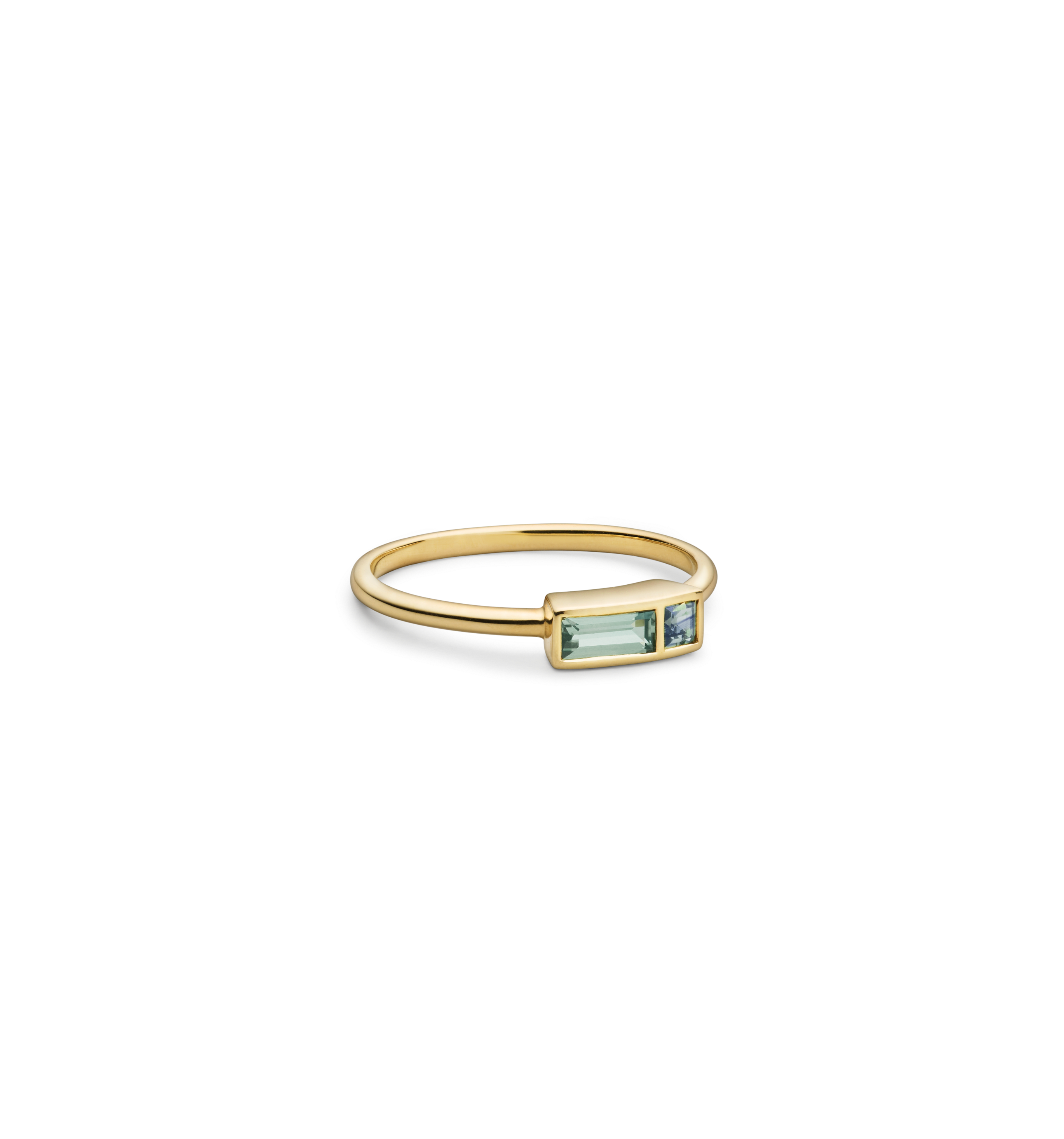
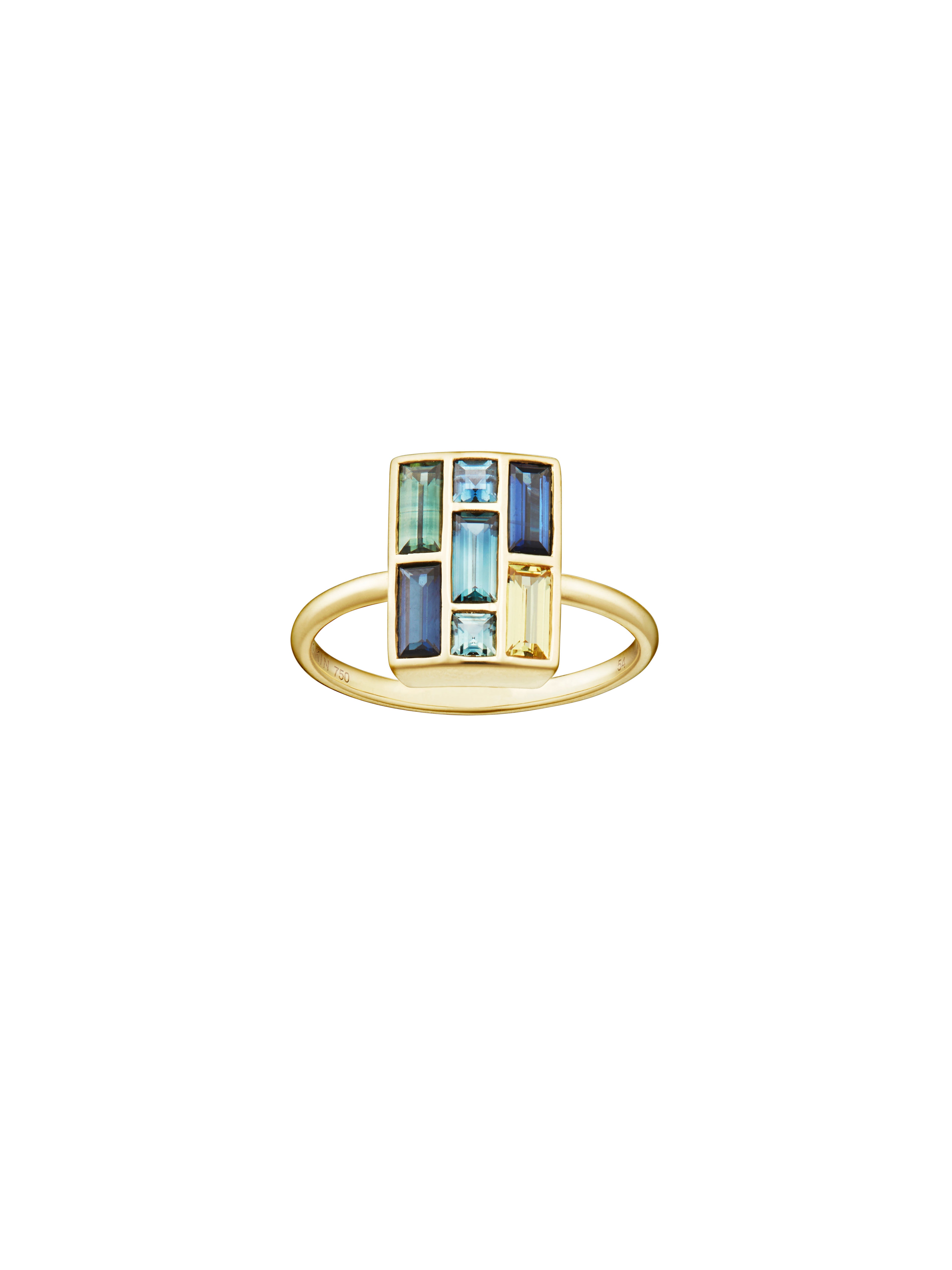
Queensland sapphires range naturally from blues and deep teals to greens and golden tones, with each stone carrying its own colour and character. In the Bricks Collection, square and baguette-cut sapphires meet recycled 18 karat gold in designs inspired by Copenhagen architecture. Discover more in Sapphire Grading: Understanding the 4Cs.
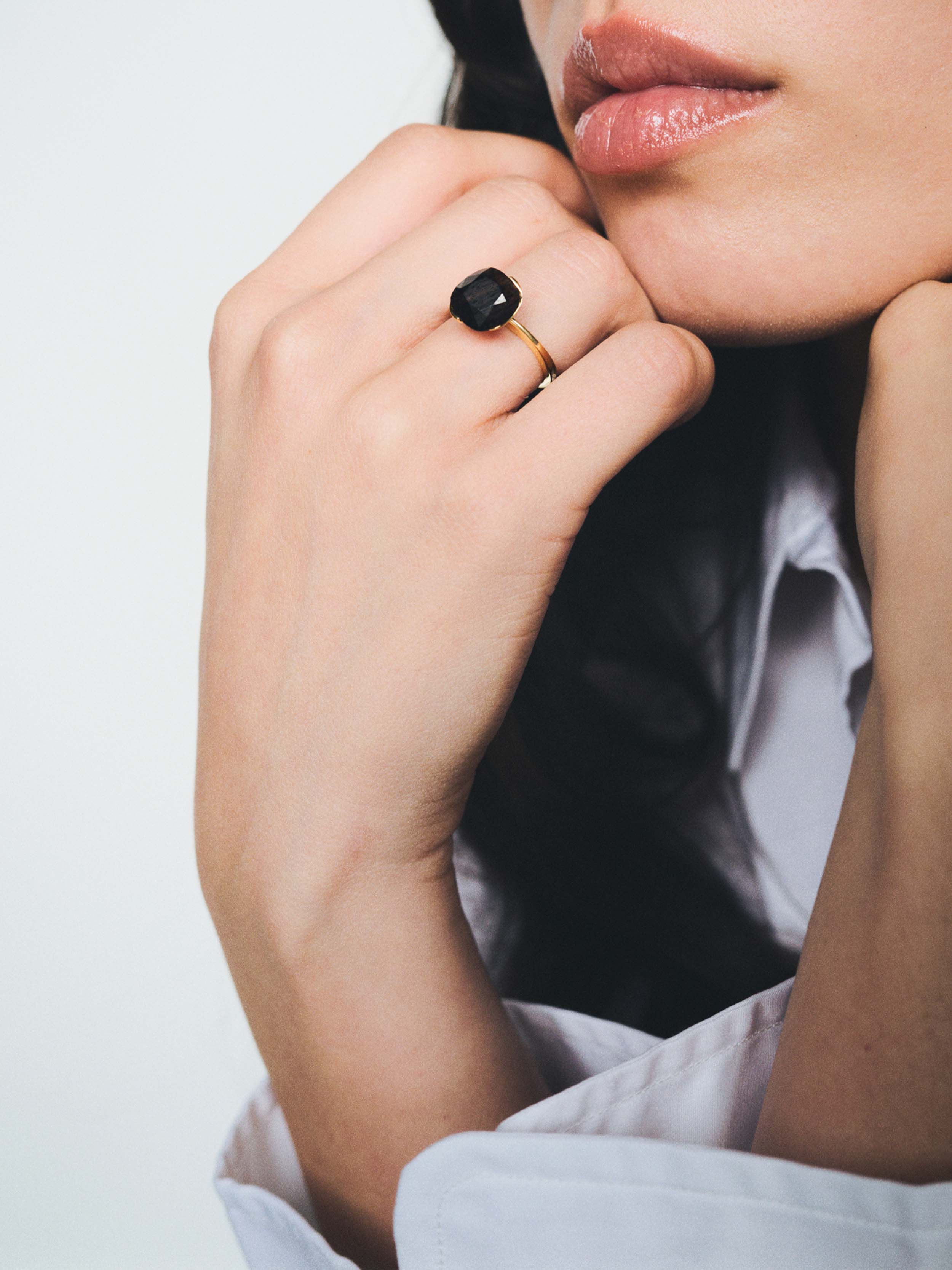
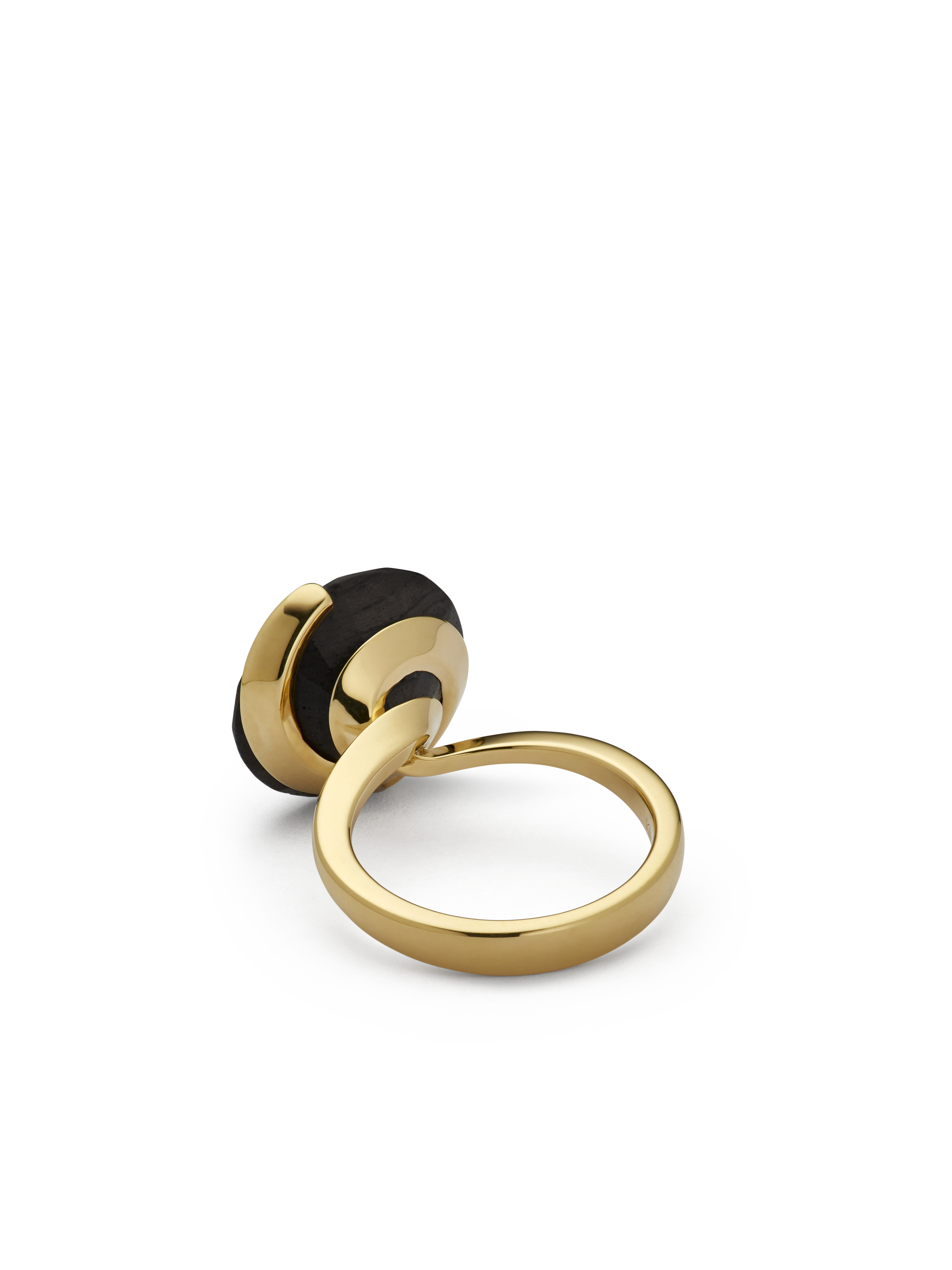
FSC-certified Mpingo blackwood offers another distinctive alternative. Naturally deep black and exceptionally dense, it meets precious metals in the Kindred Ring.
For those searching for unique engagement rings, these materials offer an alternative to tradition, chosen for their character, craftsmanship, and meaning.
14k vs 18k Gold for Engagement Rings
The karat of gold describes the proportion of pure gold within an alloy. Pure gold is 24 karat, while 14 karat gold contains approximately 58.5% pure gold and 18 karat gold contains 75%.
The difference can be seen in both colour and composition. With its higher gold content, 18 karat yellow gold typically has a richer, warmer gold tone. The additional alloying metals in both 14k and 18k gold provide the strength needed to transform pure gold into jewellery suitable for regular wear.
KINRADEN works with recycled 18 karat gold. Gold can be refined and returned to circulation without losing its fundamental properties, allowing existing precious material to become part of a new piece.
For an engagement ring intended to remain with its wearer for many years, the choice of material becomes part of the design itself: something selected not only for how it looks today, but for how it will be worn over time.
Choosing a Ring with Meaning
Luxury engagement rings are not defined by size or convention alone. Their value lies in material, craftsmanship, proportion, and the meaning they acquire through wear.
At KINRADEN, rings are approached as small pieces of architecture, where form, rhythm, and material come together in designs that can be minimal or sculptural, set with a sapphire or shaped by the contrast between gold and Mpingo.
Whether chosen for its form, material, or meaning, an engagement ring becomes personal through the life lived around it
Looking for a ring for him?
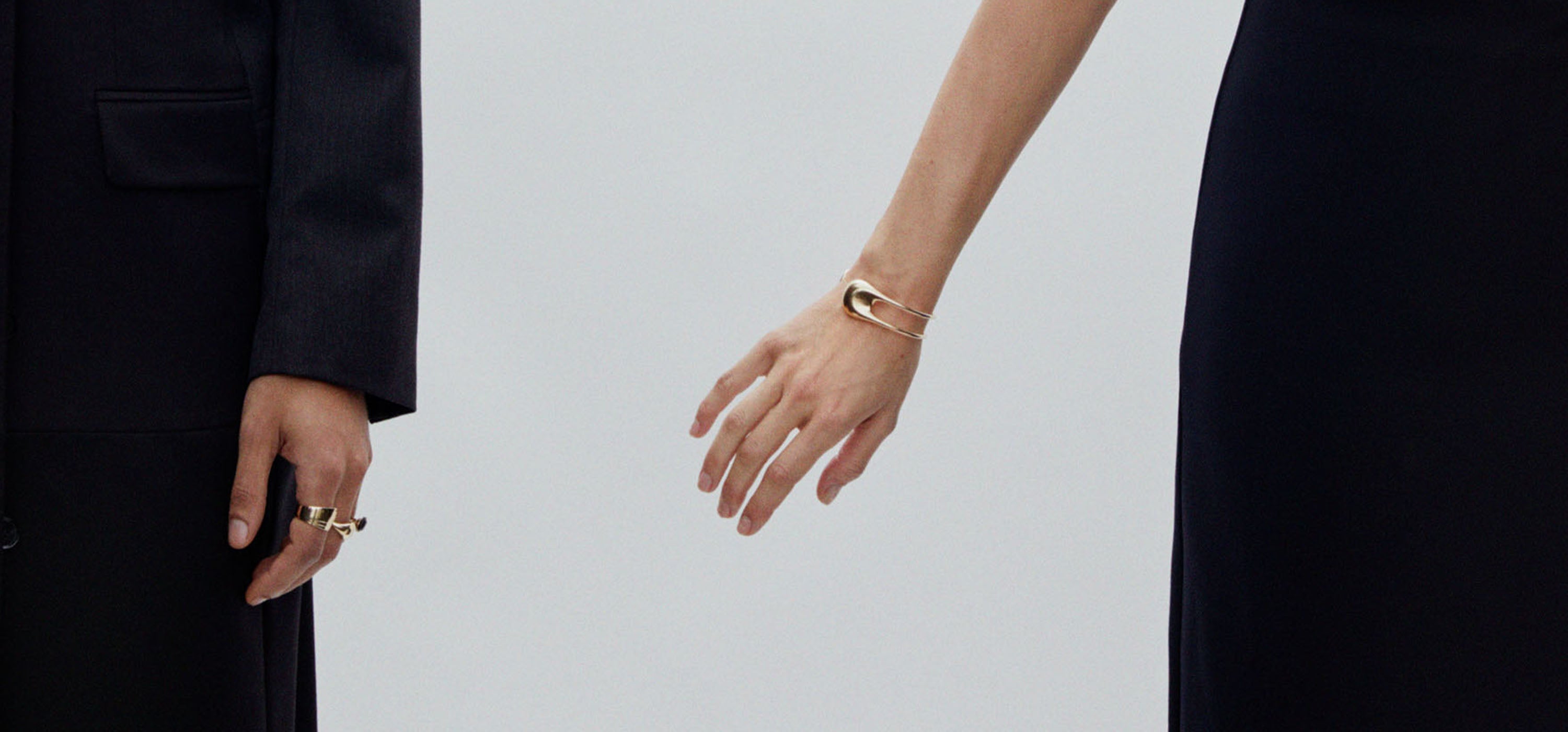
Discover our guide to engagement rings for men, with inspiration for choosing a ring that reflects individual style, materials, and everyday life.
If you have any questions or would like guidance when choosing an engagement ring, our Customer Service team is always here to help. Whether you are considering the right design, material, or ring size, you are always welcome to for personal guidance.
With Love,
KINRADEN