
From Architecture to Jewellery
Architecture and jewellery work at very different scales, yet they begin with many of the same questions: proportion, structure, material, rhythm and the relationship between an object and the human body.
For KINRADEN founder and Head of Design Sarah Emilie Müllertz, this connection is rooted in practice. Trained as an architect at the Royal Danish Academy and formerly Partner and Global Head of Design at Henning Larsen Architects, she brings an architectural way of thinking to jewellery: considering not only how an object looks, but how it is constructed, balanced and experienced on the body.
At KINRADEN, architecture is therefore more than a visual reference. At KINRADEN, architecture is therefore more than a visual reference. It is part of the design process.
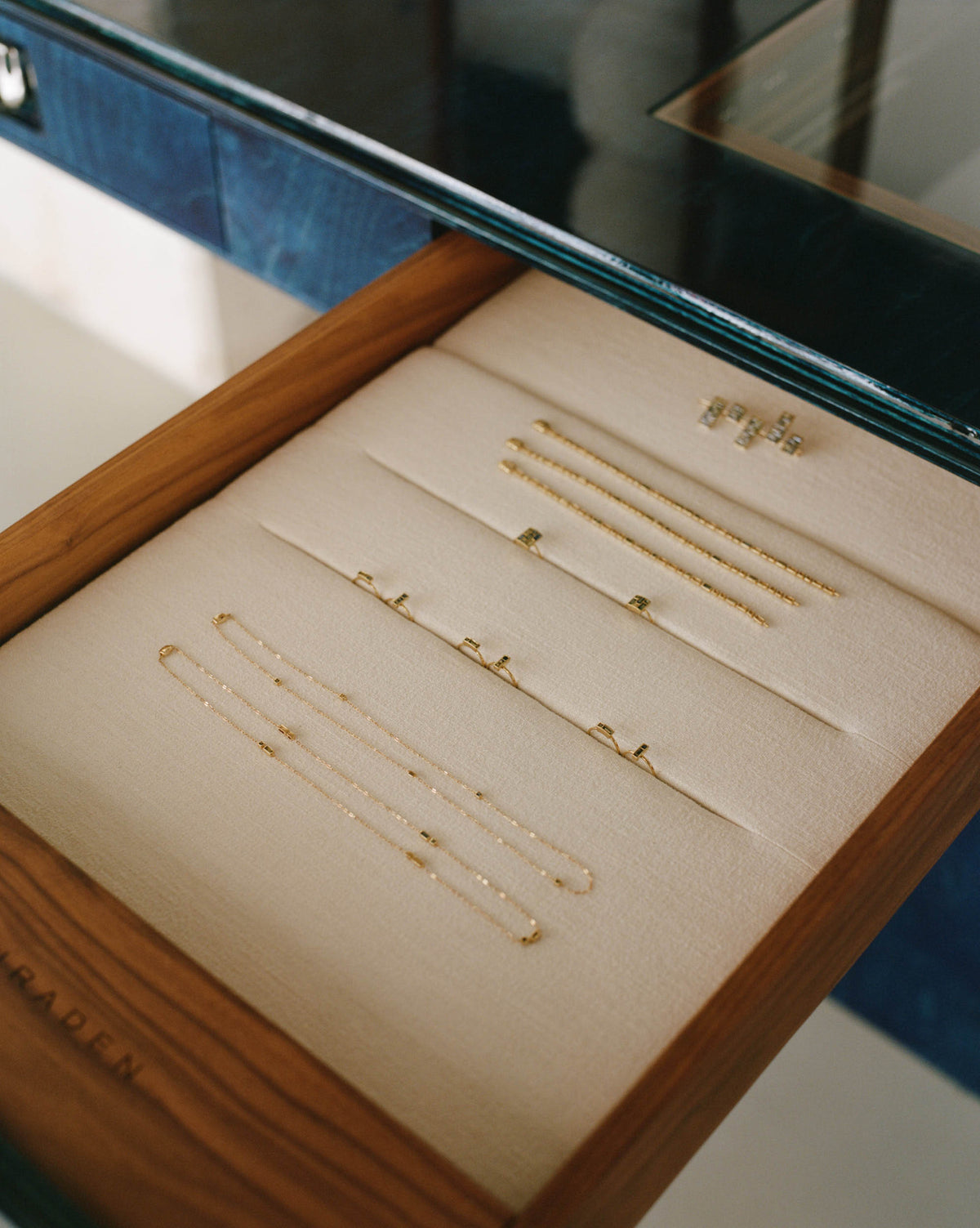
How does architecture influence jewellery design?
Architectural jewellery does not necessarily resemble a building. Architecture can instead inform the principles behind a piece: its proportions, structure, repetition, use of material and relationship between solid form and open space.
When translated to the scale of jewellery, these principles become intimate. A structure must follow the body. Weight affects movement. Proportion changes with scale. Materials determine what is possible.
It is this way of thinking that connects architecture and jewellery in KINRADEN's work.
Proportion and balance
In architecture, proportion defines the relationship between individual elements and the whole. The same is true in jewellery.
A small change in the width of a ring, the distance between two elements or the scale of an earring can alter how a piece is perceived and how it sits on the body.
Rather than treating proportion as decoration, KINRADEN uses it as a fundamental part of the composition.
Structure and construction
Jewellery, like architecture, has to work as a structure.
Elements meet, carry weight and move in relation to one another. Connections can be hidden or become part of the design itself.
This interest in construction can be seen across KINRADEN's work, from repeated architectural elements to designs informed by principles of joinery.
Repetition and rhythm
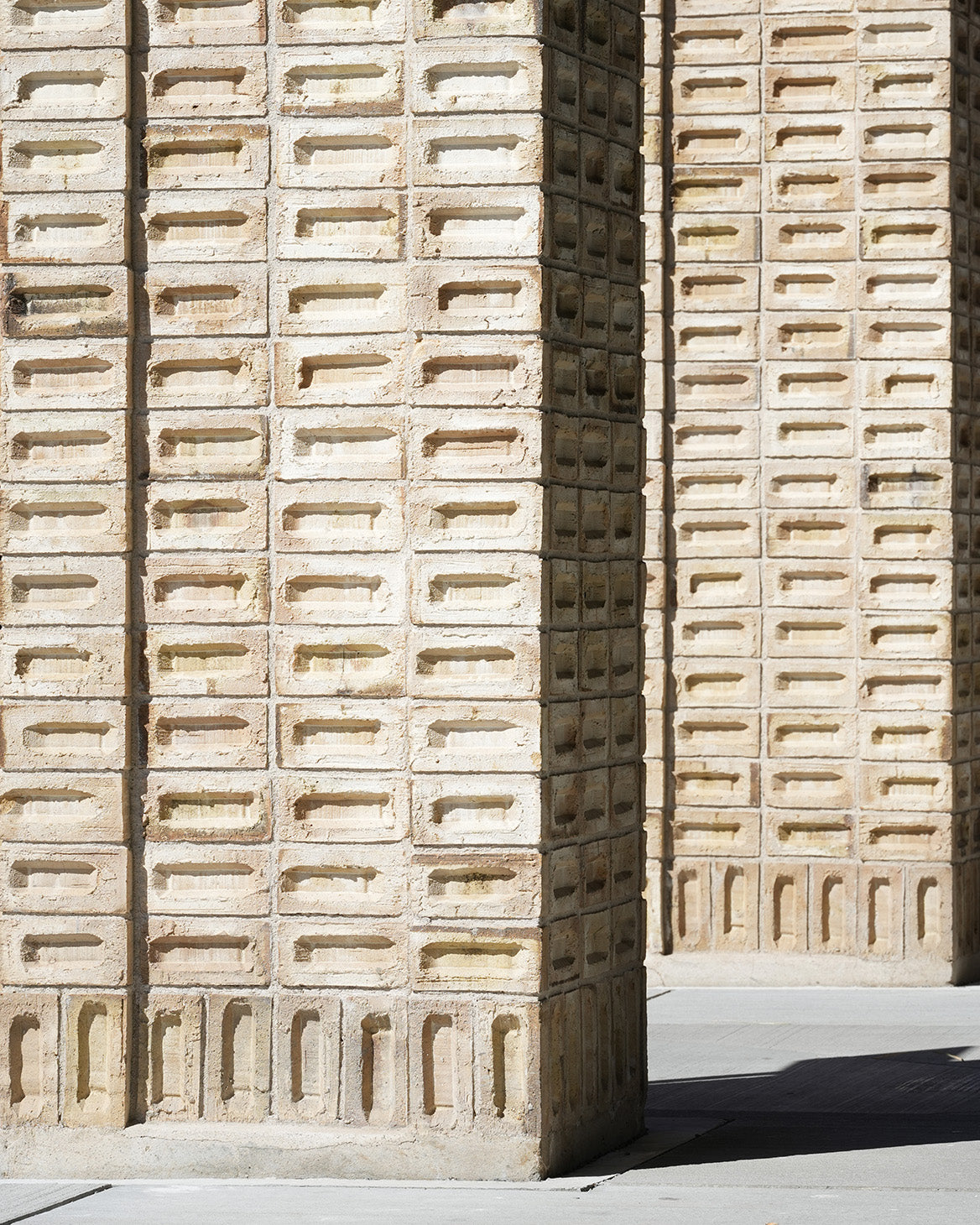
Repetition is one of the simplest ways to create rhythm in both architecture and jewellery.
A column, brick or structural element gains another character when repeated. The individual form remains visible, while together the elements create a larger composition.
This relationship between repetition and proportion is particularly present in the Stilos and Bricks collections.
From buildings to the body
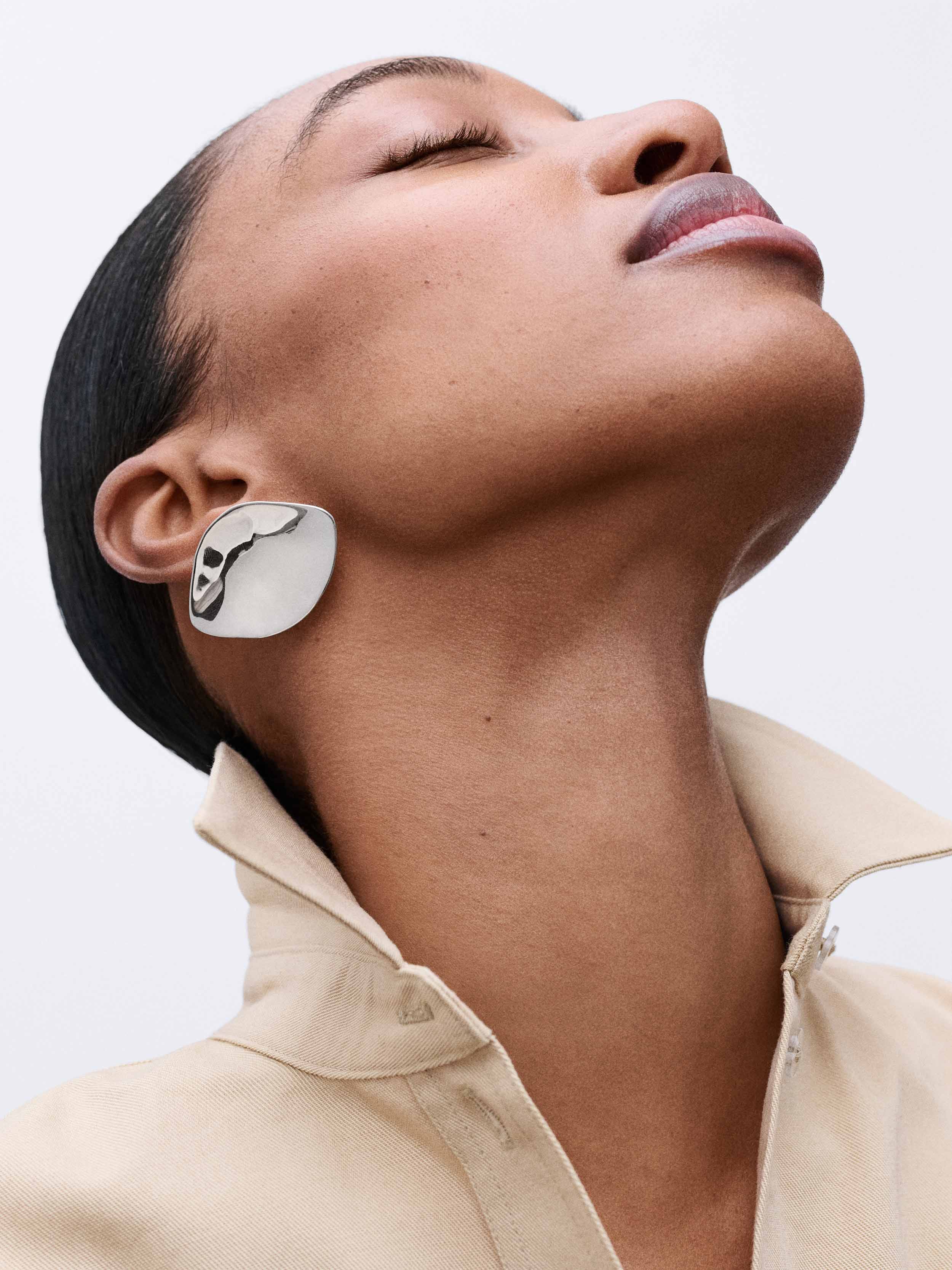
Architecture creates spaces around the human body. Jewellery works at a much smaller scale, but its relationship to the body is just as direct.
A ring surrounds a finger. An earring extends from the ear. A necklace follows the movement and proportions of the neck and chest.
Moving from architecture to jewellery is therefore not simply a question of making architecture smaller. It means reconsidering scale, weight, movement and material for an object that is worn directly on the body.
This shift in scale is central to Sarah Emilie Müllertz's approach to jewellery design.
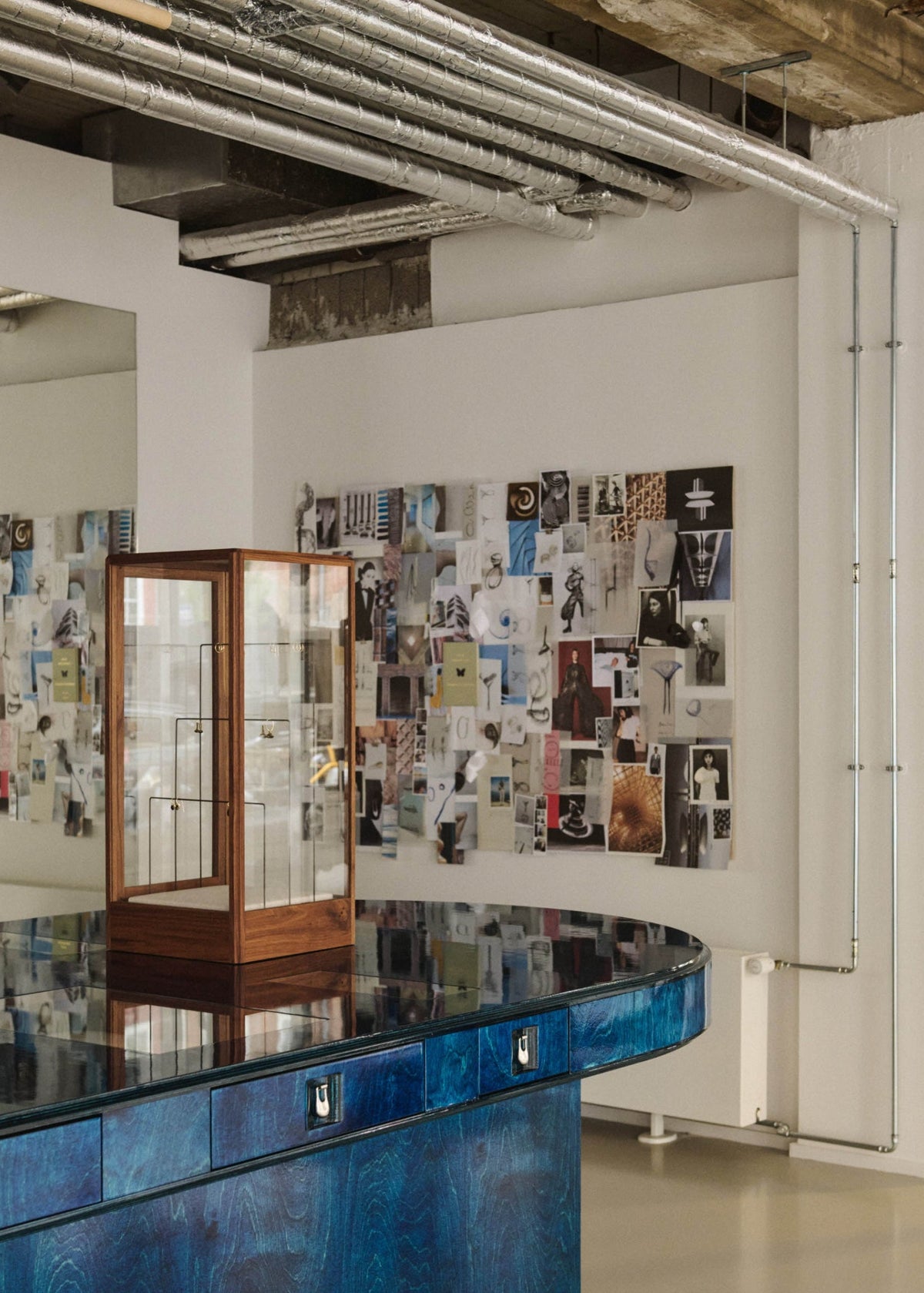
Architectural thinking across KINRADEN
Architecture appears differently across KINRADEN's collections. Sometimes the reference is a building or architectural tradition. At other times, it is a principle of construction, proportion or repetition.
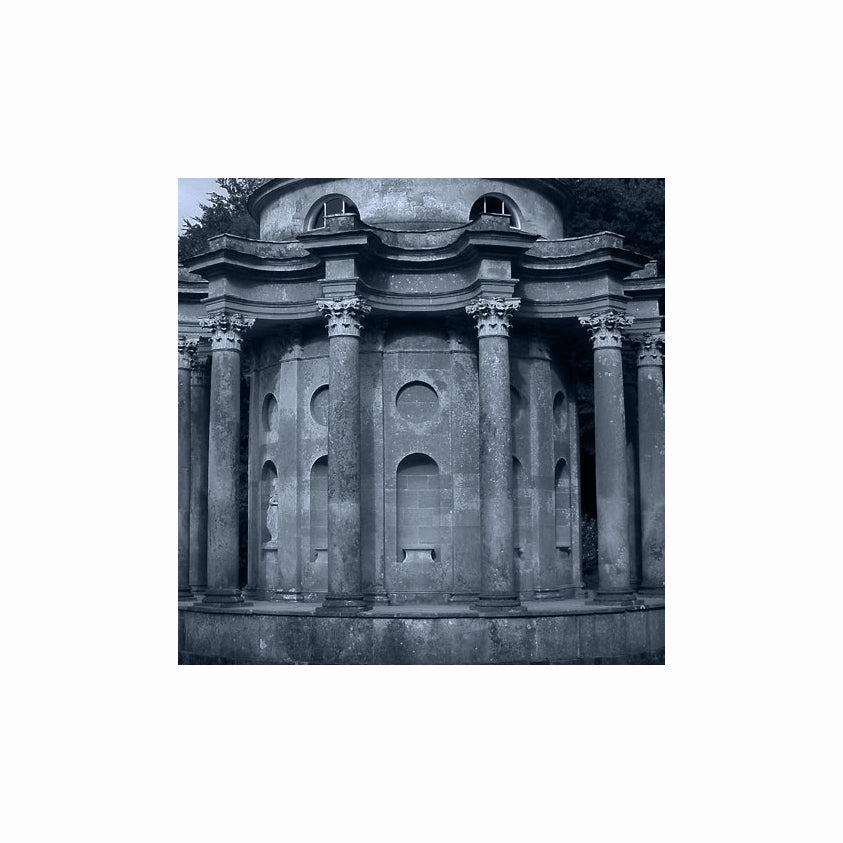
Stilos: proportion and repetition
The Stilos Collection takes its point of departure in the orders of classical Greek architecture.
Columns are defined by carefully considered systems of proportion and repetition. Translated into jewellery, these principles become sculptural forms built around rhythm and architectural clarity.
The DORIC designs are among the clearest expressions of this approach.
THE STILOS COLLECTION
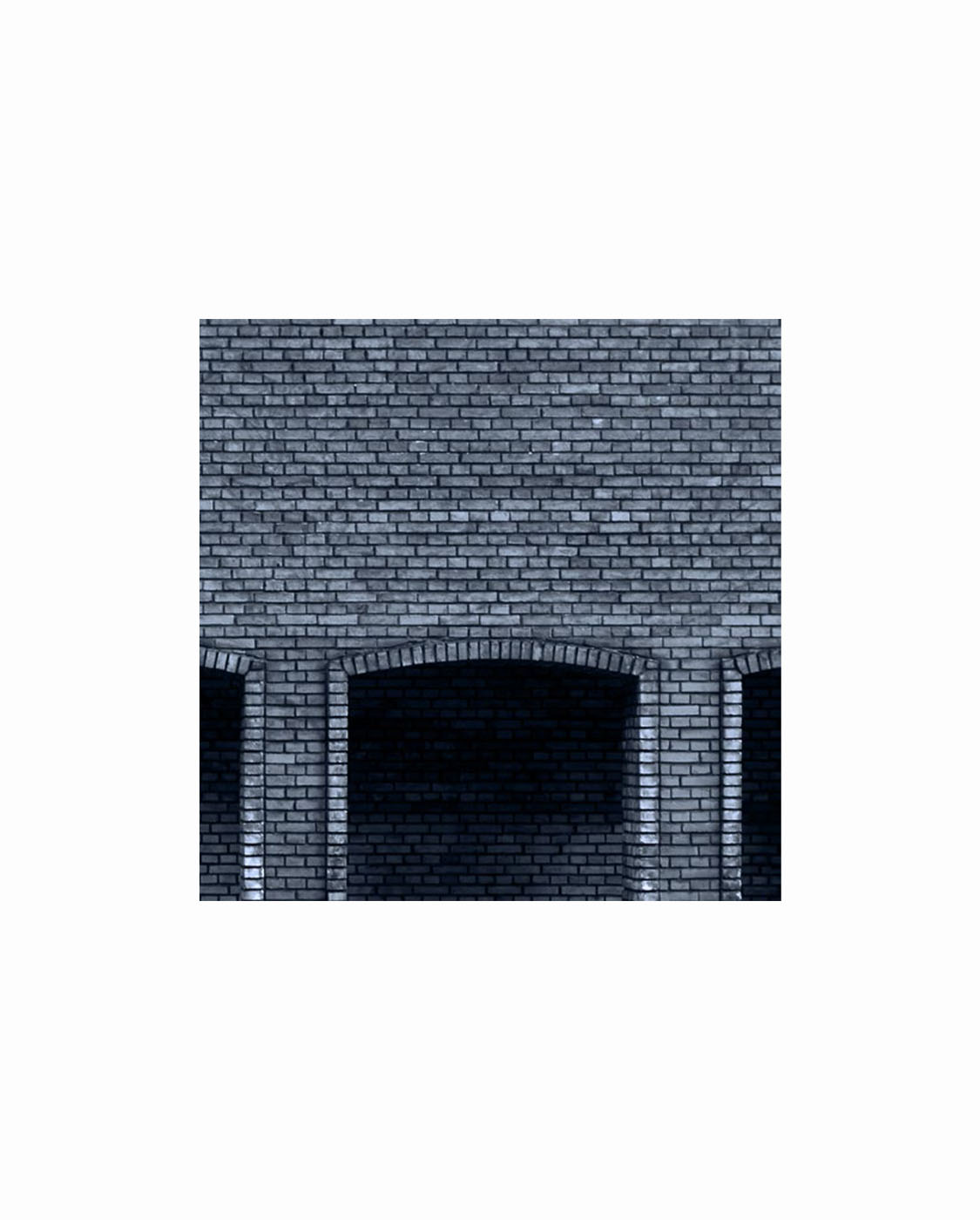
Bricks: a blueprint of Copenhagen
With the Bricks Collection, the reference moves closer to home.
The collection is informed by Copenhagen's brick architecture and the patterns created when individual bricks are assembled into larger structures. Repetition, proportion and restraint become a design language translated into recycled 18K gold and Queensland sapphires.
Here, architecture is not reproduced literally. Its underlying system becomes the starting point for jewellery.
THE BRICKS COLLECTION
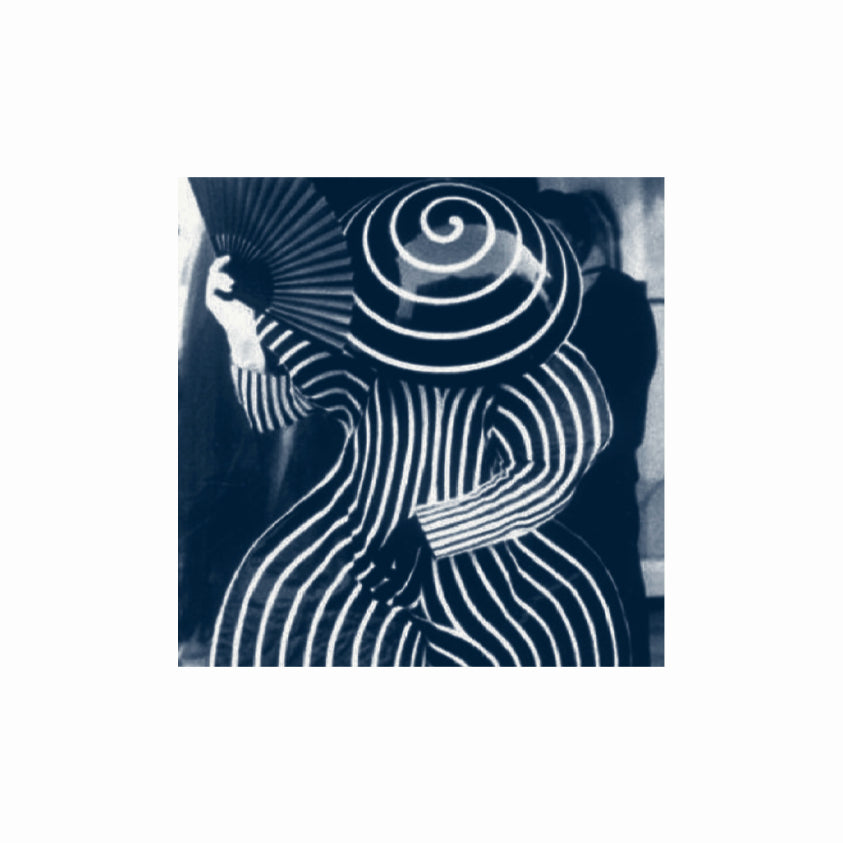
Two Worlds: geometry and material
The Two Worlds Collection explores the meeting of different materials and ideas.
Its references include Bauhaus and Oskar Schlemmer, whose work investigated geometry, movement and the relationship between the human body and abstract form.
KINRADEN brings these ideas into jewellery through geometric compositions and the contrast between precious metal and Mpingo blackwood.
FAQ
What is architectural jewellery?
Architectural jewellery is shaped by principles such as proportion, structure, geometry, repetition, material and negative space. It may reference architecture directly, but it can also translate architectural ways of thinking into wearable form.
How does architecture influence KINRADEN jewellery?
Architecture informs KINRADEN's approach to proportion, structure, repetition, material and form. Founder and Head of Design Sarah Emilie Müllertz trained as an architect, and architectural thinking can be traced across collections including Stilos, Bricks and Eternal Echoes.

Is architectural jewellery always inspired by buildings?
No. Architectural jewellery can take direct inspiration from buildings, structural details or architectural movements, but it can also emerge from an architectural way of thinking.
Proportion, repetition, construction, material, geometry, negative space and the relationship between an object and the body can all connect jewellery and architecture without a piece resembling a building.
For KINRADEN, this distinction is essential.
Architecture is not a style applied to jewellery. It is one of the disciplines that shapes how a piece is conceived.
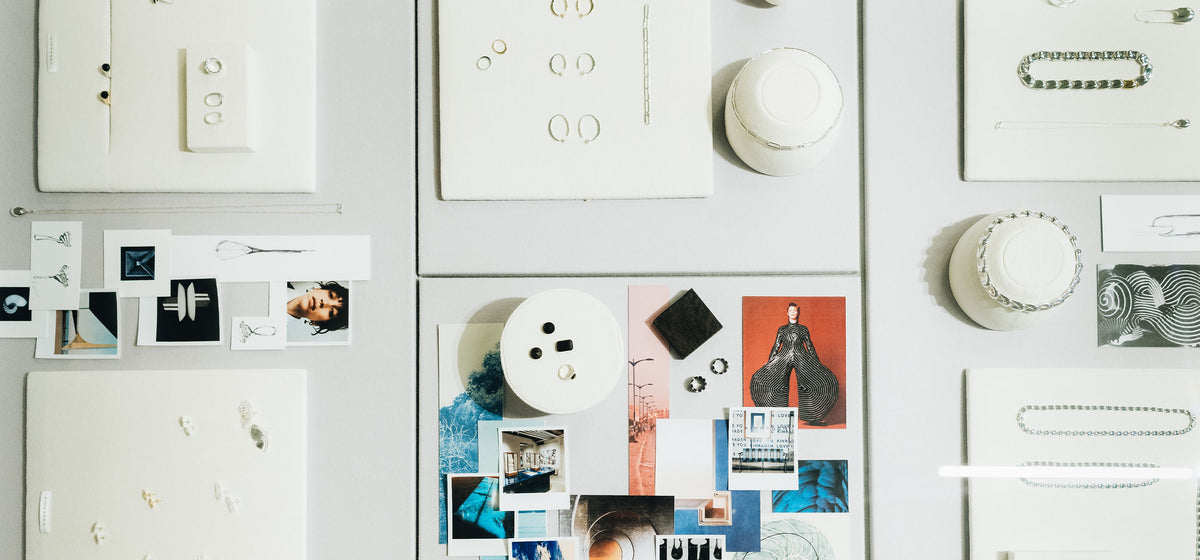
From one scale to another
Moving between architecture and jewellery changes the scale, but many of the fundamental questions remain.
How do materials meet? How does repetition create rhythm? How does an object relate to the human body? How much can be removed before the structure loses its balance?
For Sarah Emilie Müllertz, these questions have moved from buildings to objects small enough to be worn. They continue to shape KINRADEN's approach to form, material and jewellery today.
With Love,
KINRADEN