
18 Karat Gold Jewellery: A Guide to Gold
Gold has been shaped into jewellery for thousands of years, valued for its colour, permanence, and ability to be worked into forms both delicate and sculptural. But not all gold jewellery is the same. Karat, composition, craftsmanship, and the origin of the material all influence how a piece looks, feels, and wears over time.
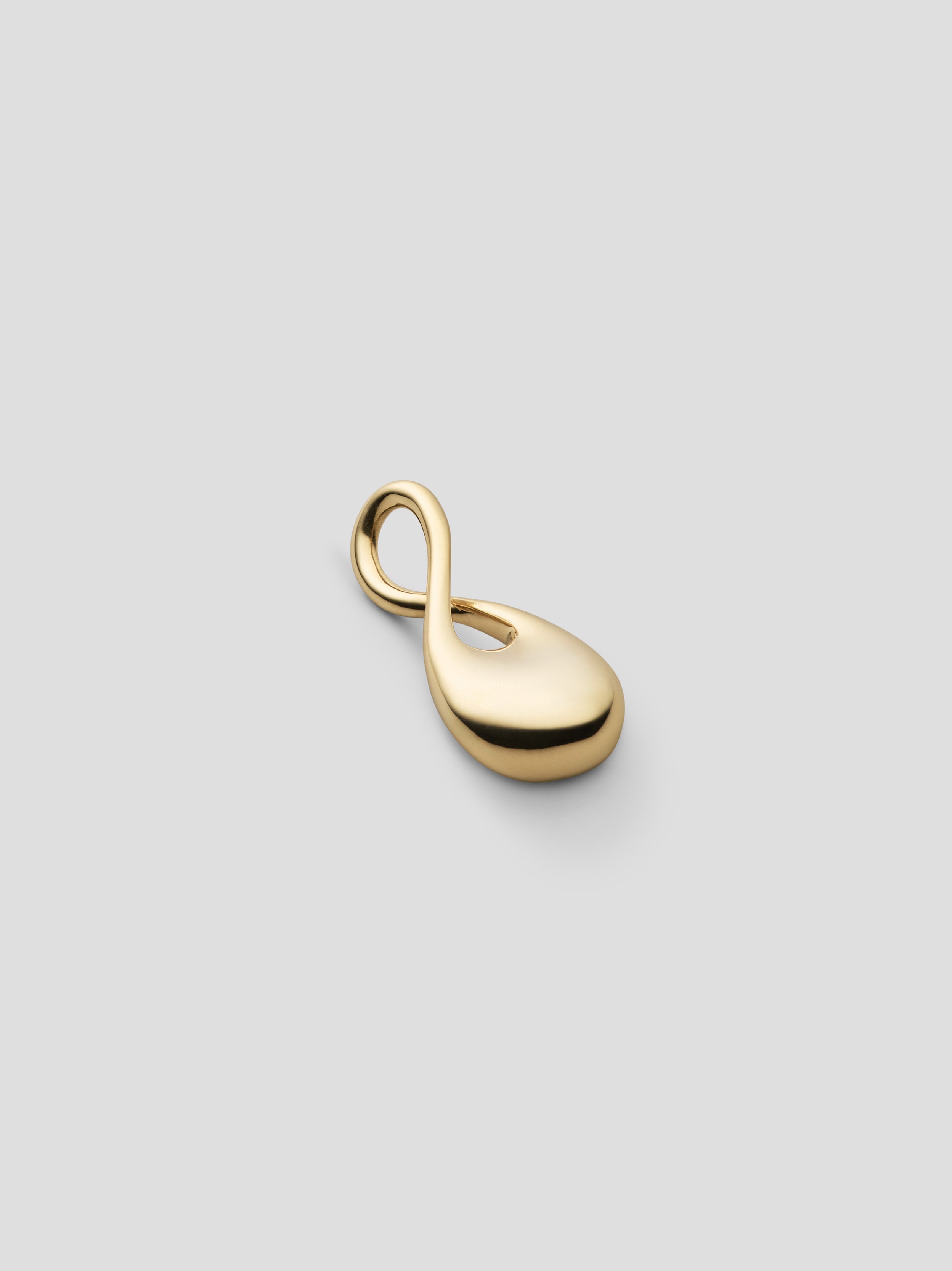
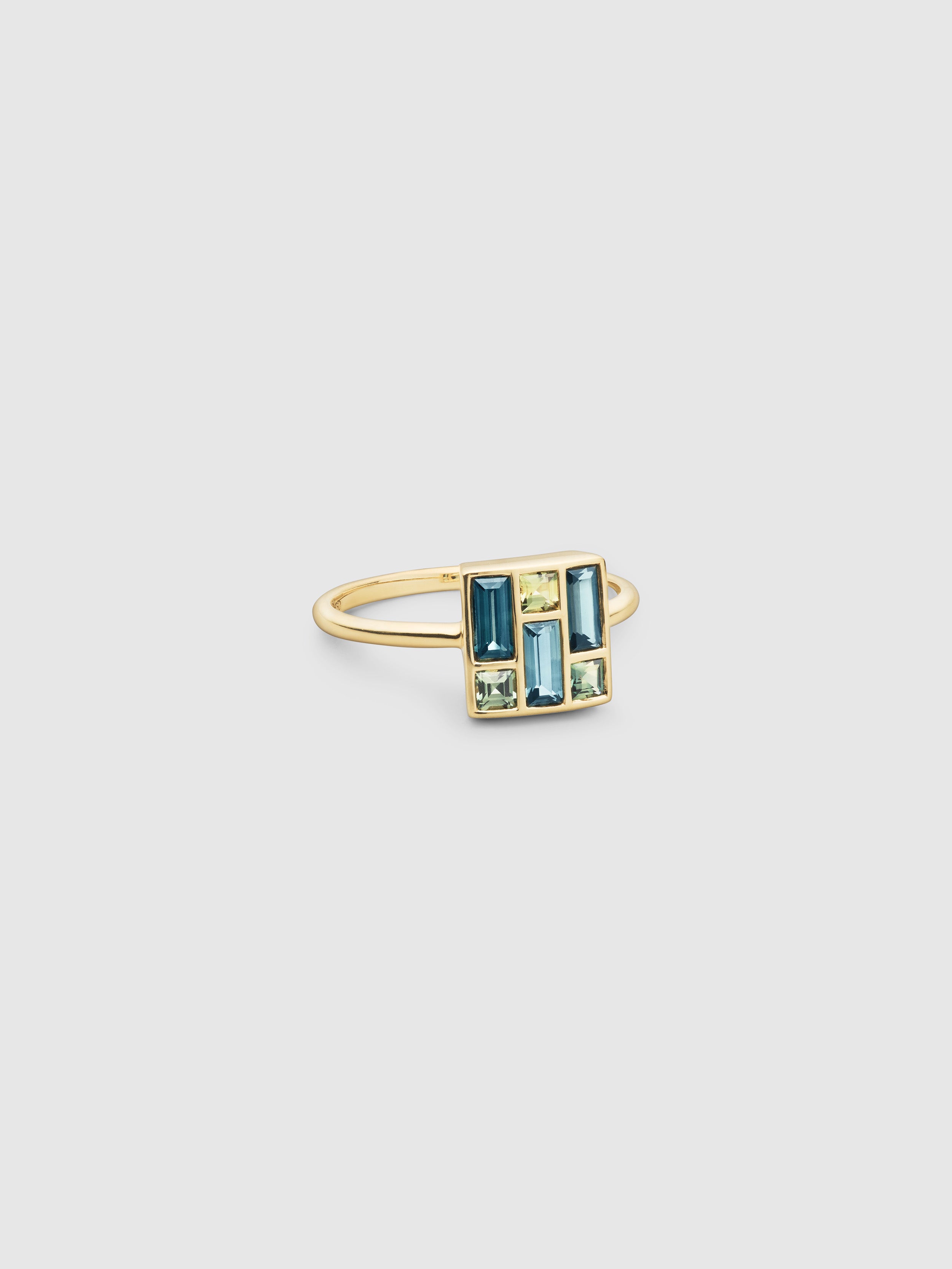
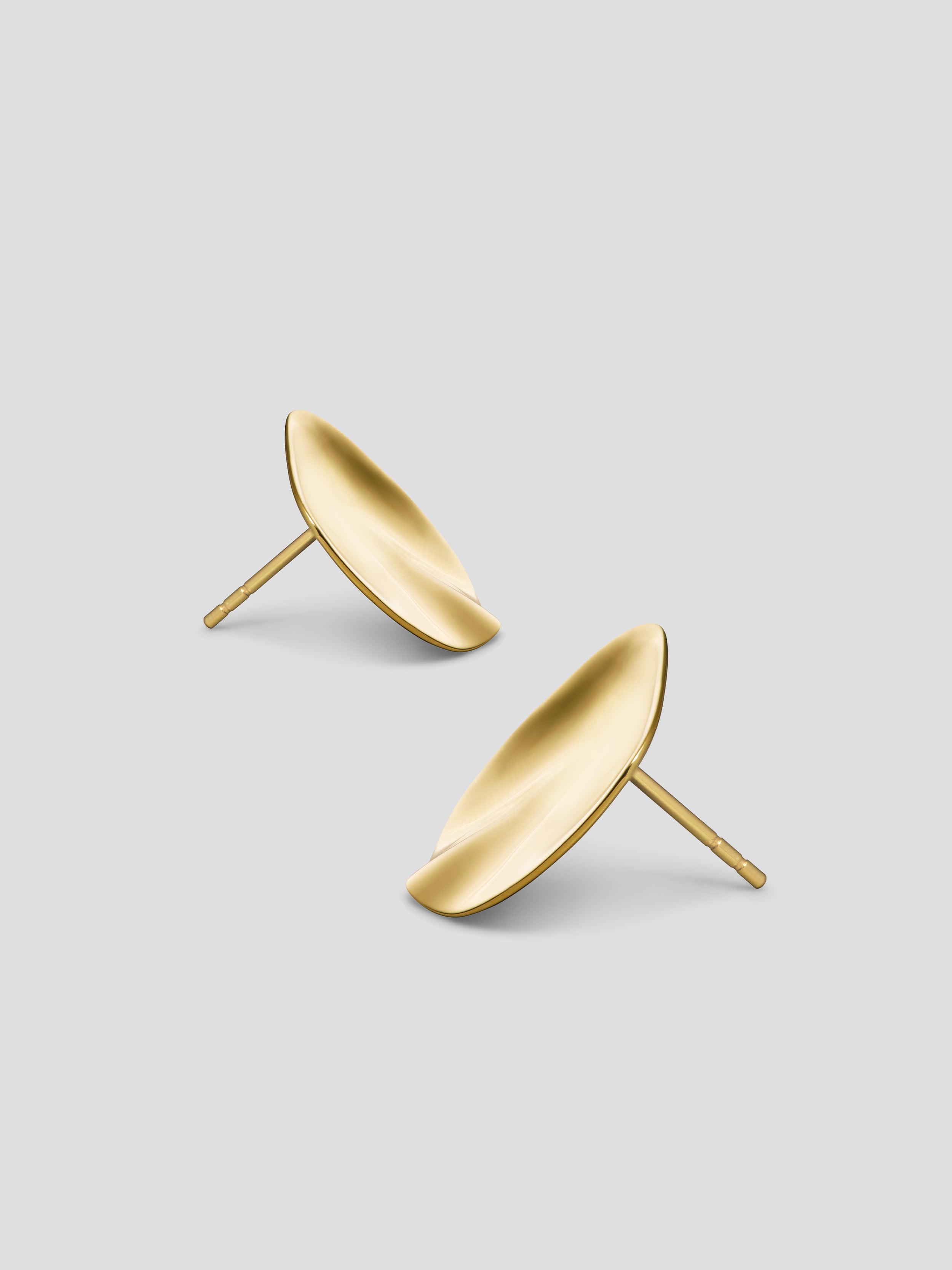
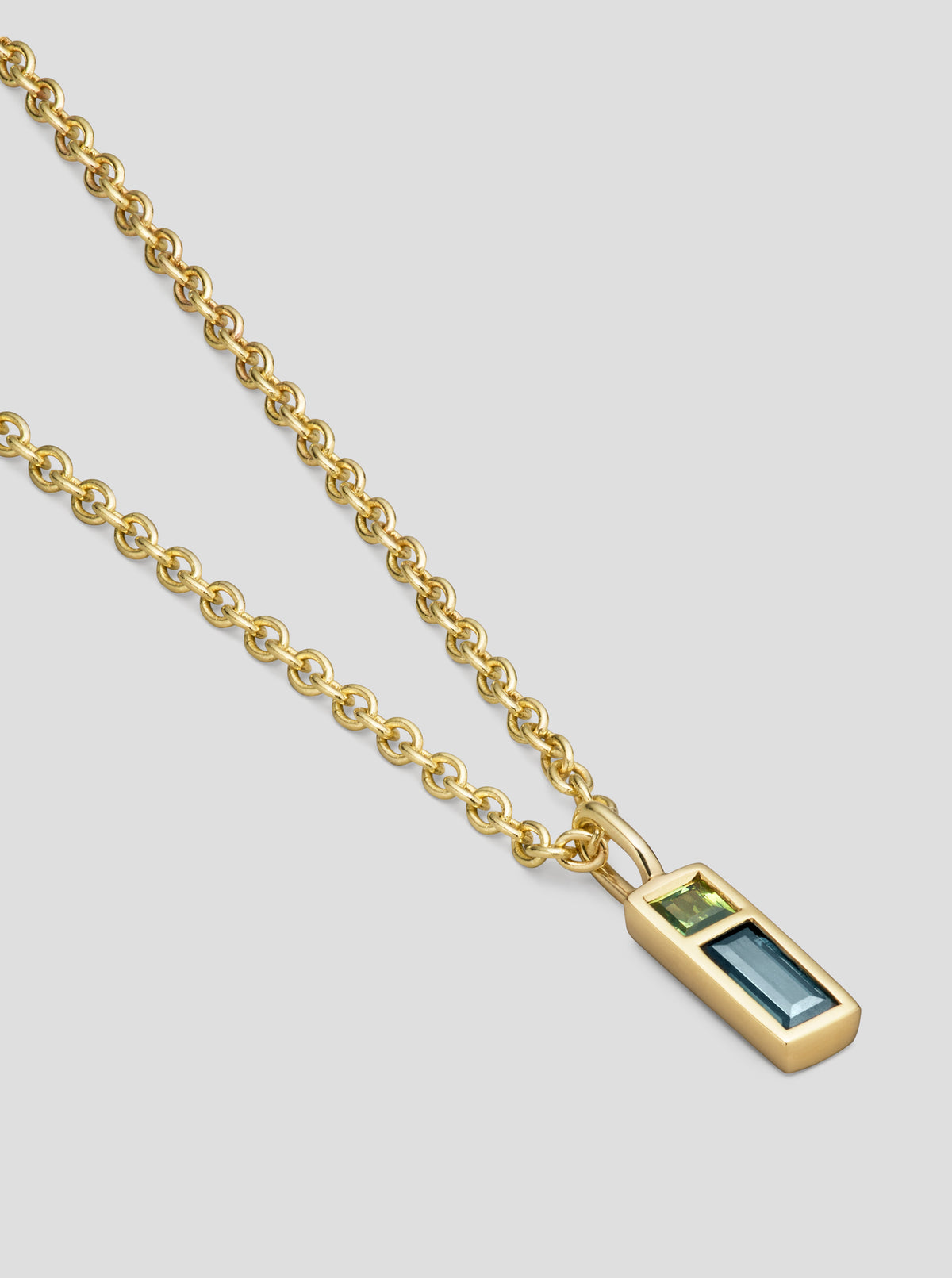
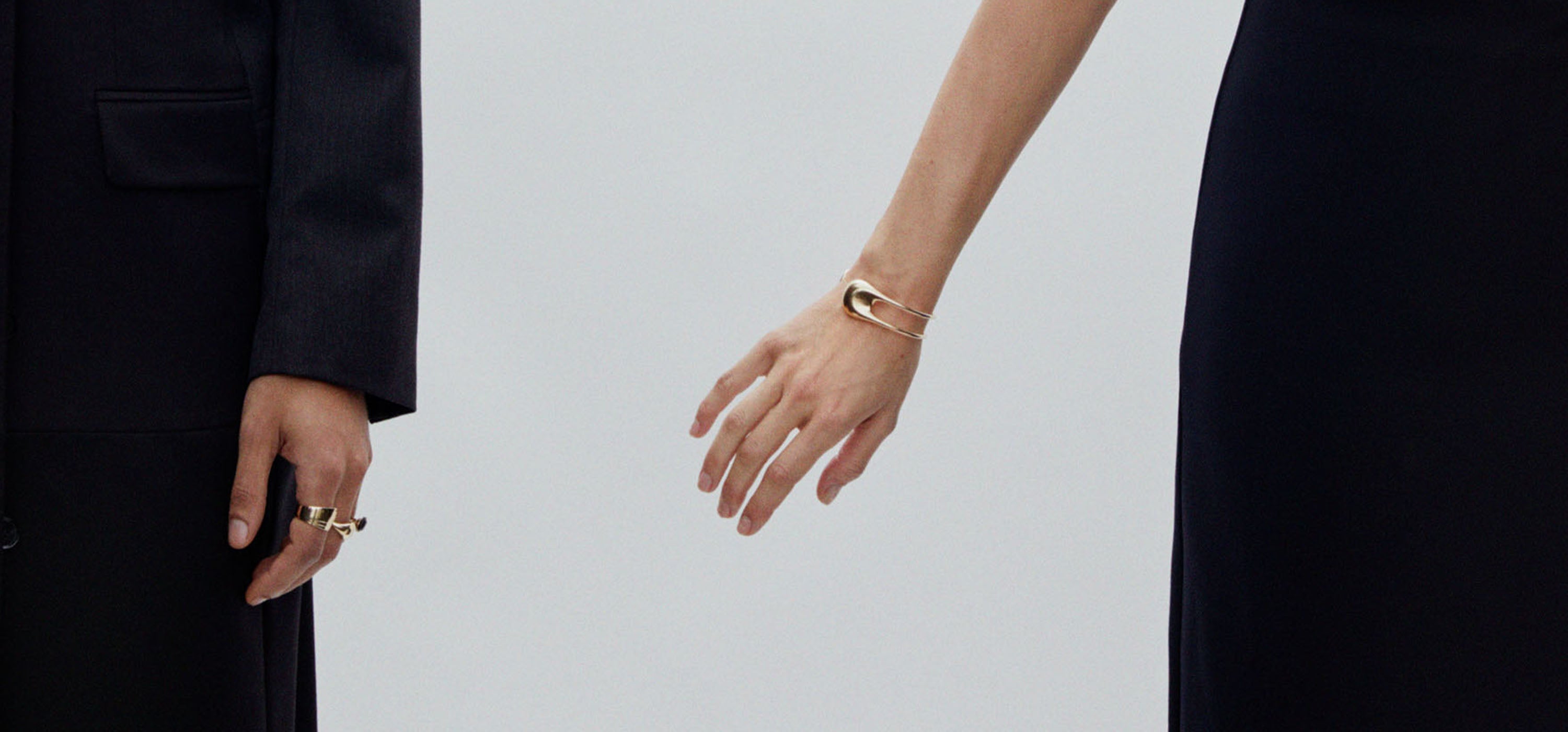
At KINRADEN, our gold jewellery is crafted from recycled and purified 18 karat gold. From rings and earrings to necklaces and pendants, the material becomes part of the design itself, chosen for its warm colour, precious character, and ability to remain in circulation for generations.
Understanding what 18 karat gold means can help when choosing jewellery intended not only for a particular moment, but for years of wear.
GOLD COLLECTION

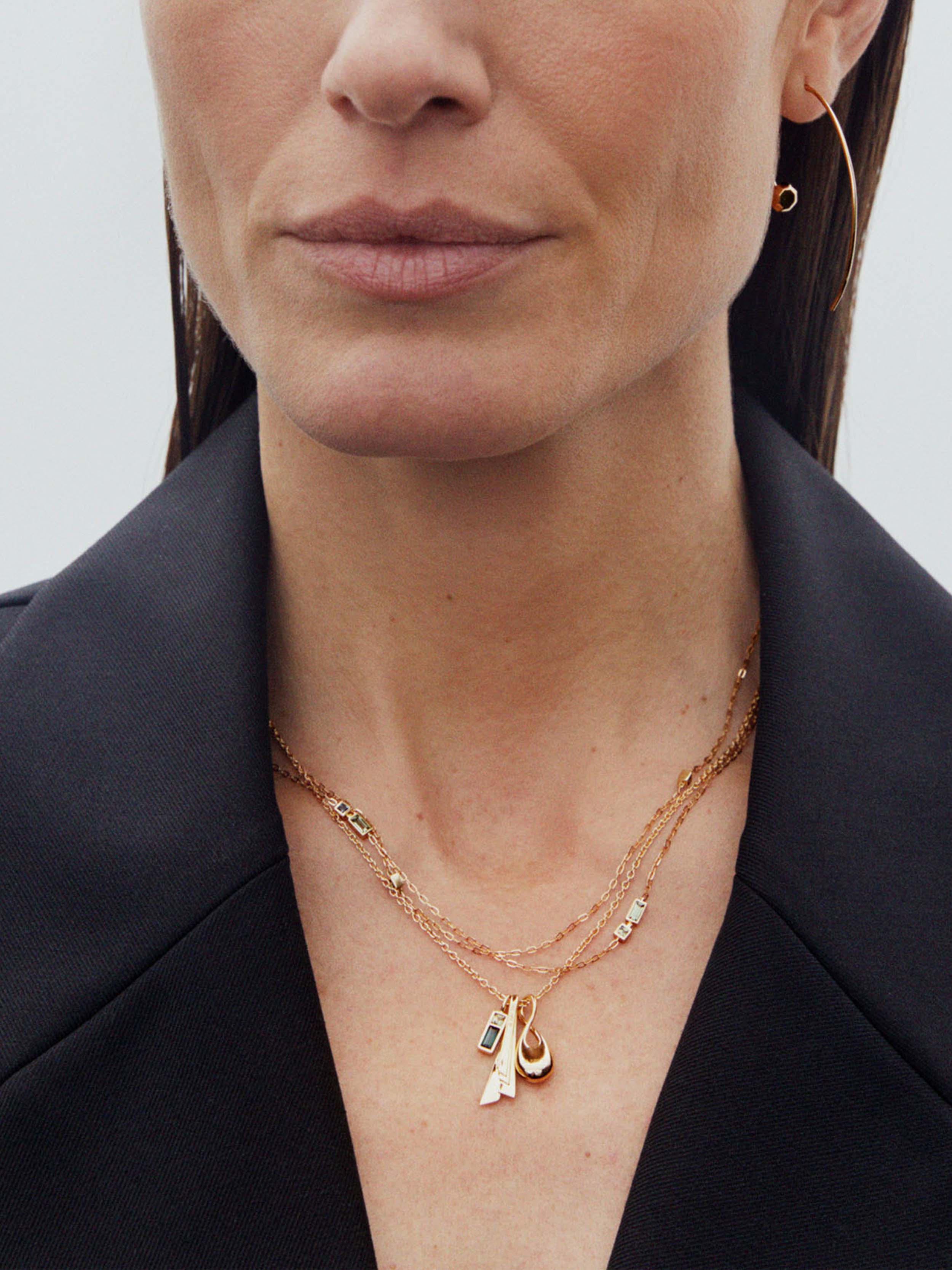
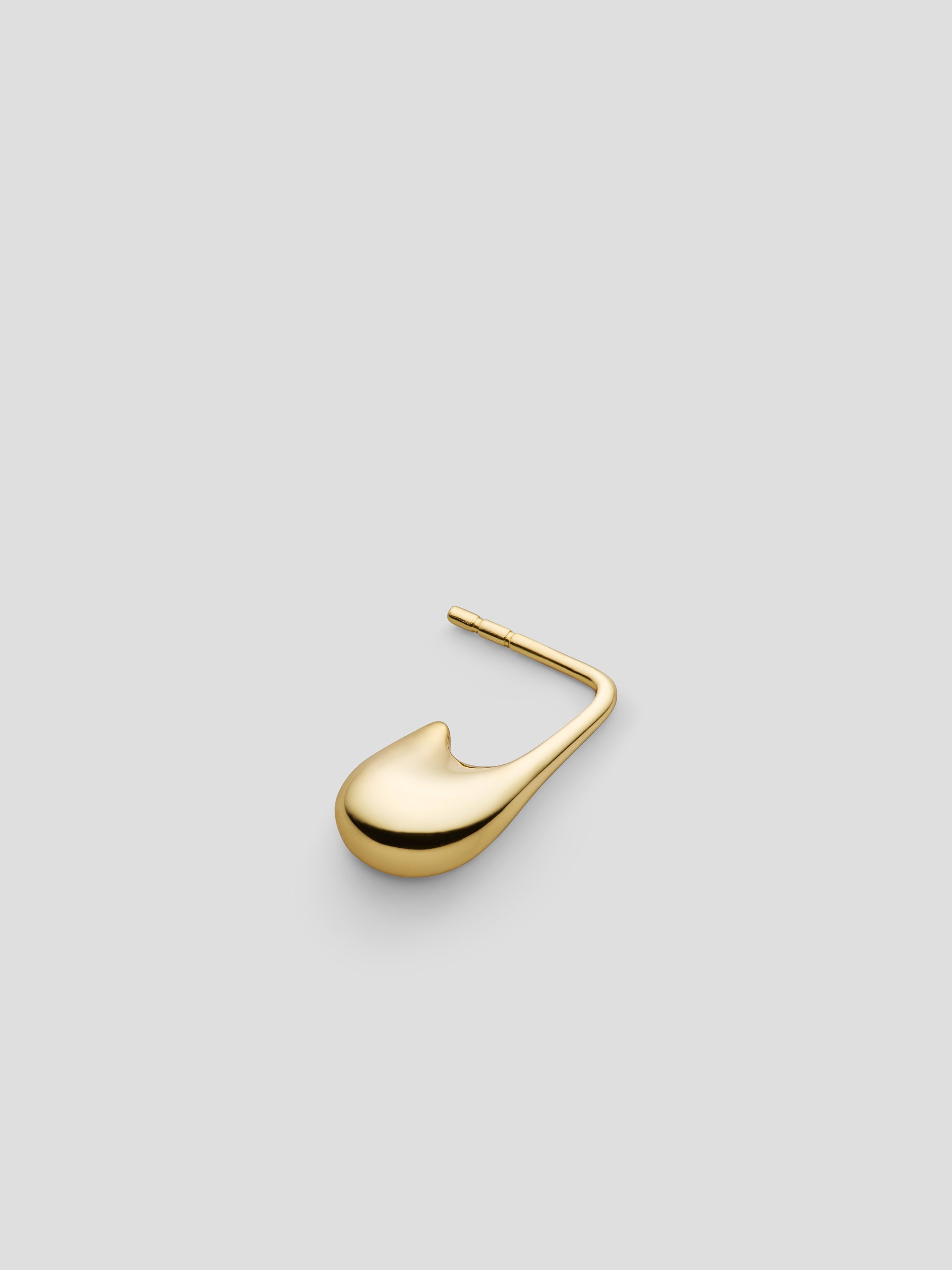
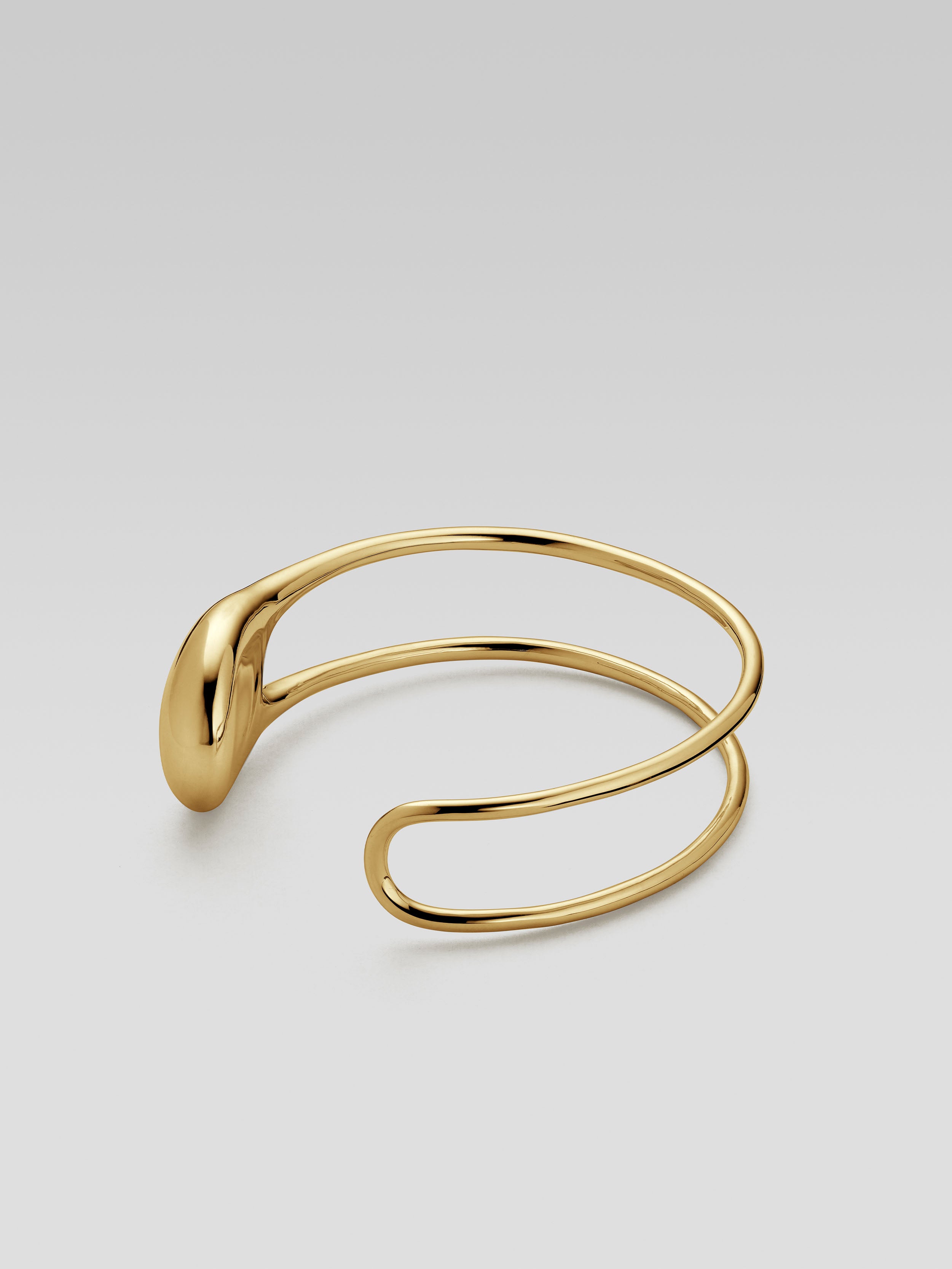

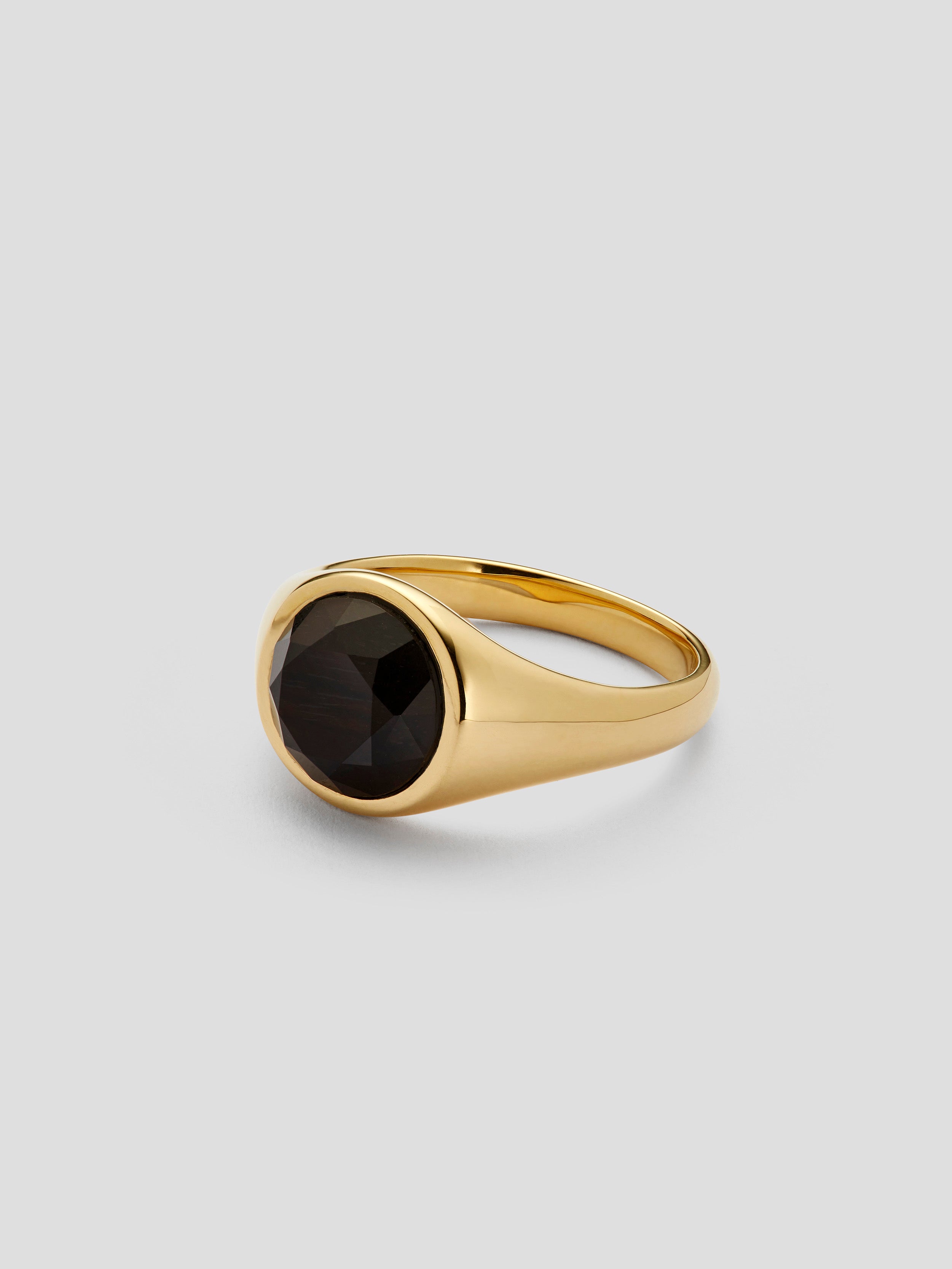
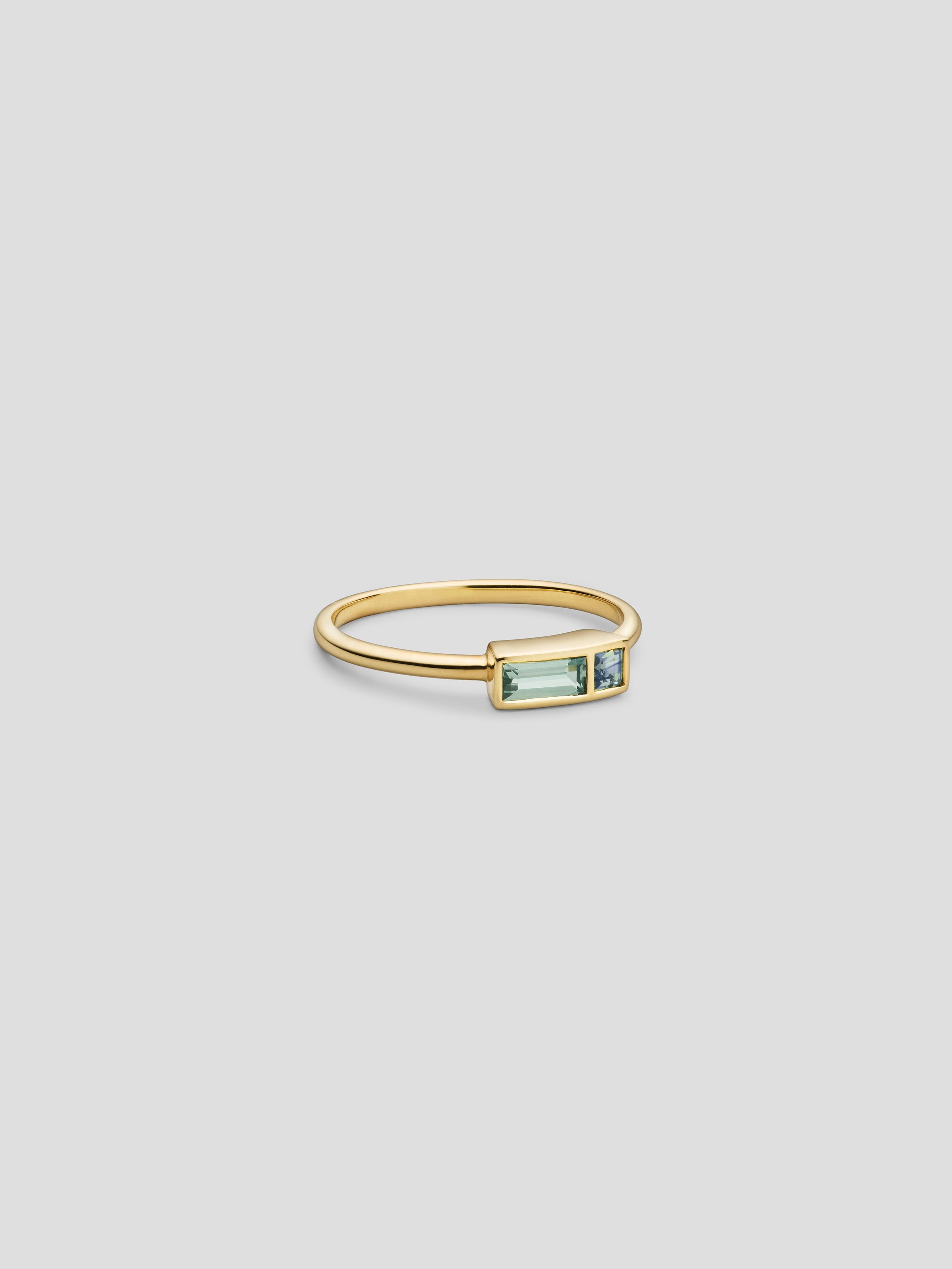

What Is 18 Karat Gold?
Pure gold is 24 karat. Because pure gold is naturally soft, it is combined with other metals when used for jewellery, creating an alloy with greater strength and allowing its colour and working properties to be carefully controlled.
18 karat gold contains 75% pure gold, with the remaining 25% consisting of other metals. Its high gold content gives 18 karat yellow gold the rich, warm tone associated with precious gold jewellery.
The balance between purity and strength makes 18 karat gold particularly suited to jewellery designed to be worn regularly, from gold rings and earrings to necklaces and pendants.
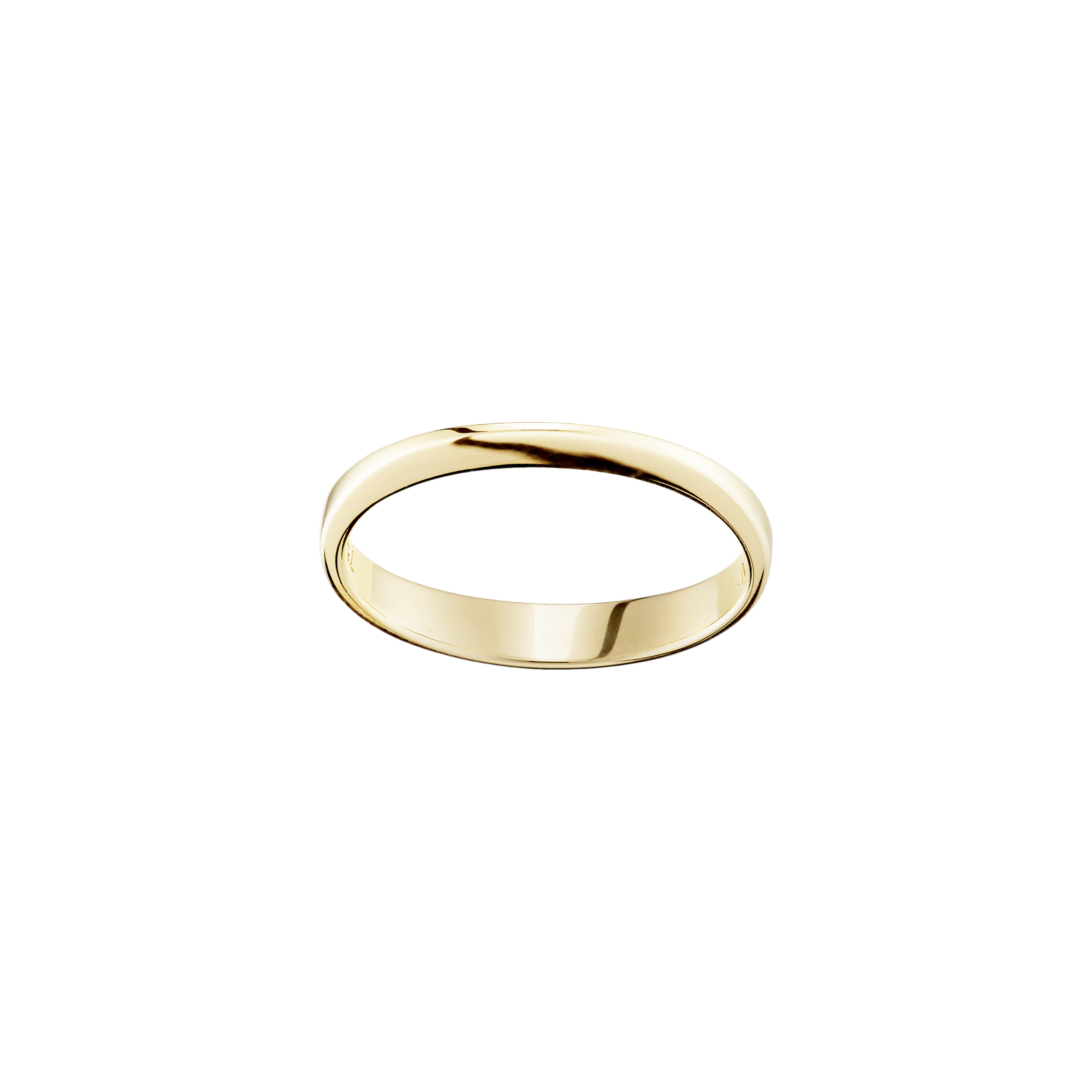
14k vs 18k Gold: What Is the Difference?
The primary difference between 14k and 18k gold is the amount of pure gold they contain. While 18 karat gold contains 75% pure gold, 14 karat gold contains approximately 58.5%.
This difference affects both composition and appearance. With its higher proportion of pure gold, 18 karat yellow gold generally has a richer and warmer colour. 14 karat gold contains a greater proportion of alloying metals and can therefore have a slightly different tone and physical character.
Neither karat alone determines the quality of a piece of jewellery. Design, construction, craftsmanship, and how a piece is worn all influence its longevity.
KINRADEN works with 18 karat gold for its balance of precious material, colour, and suitability for jewellery intended to remain in use over time.
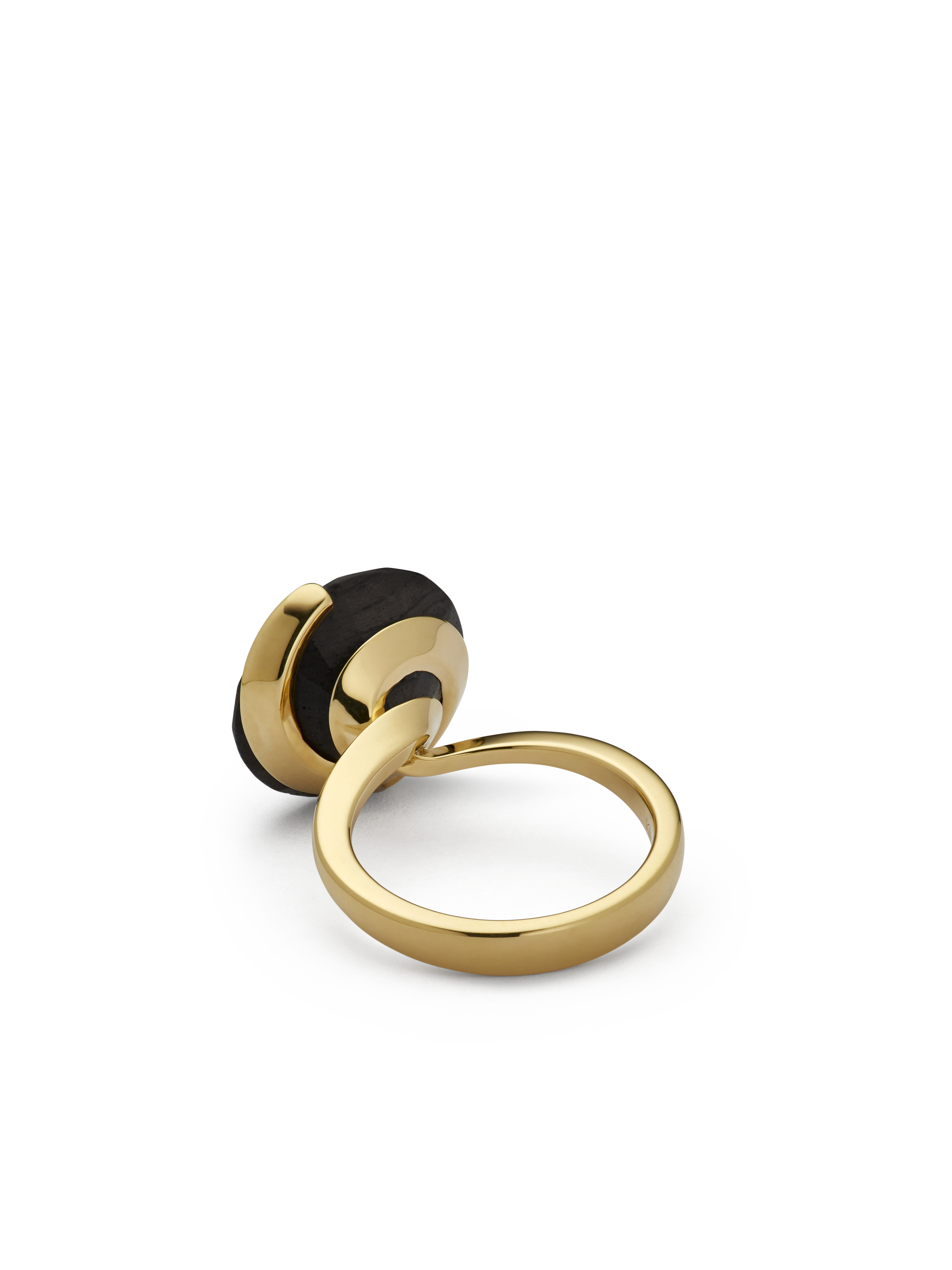
What Is Recycled 18 Karat Gold?
Gold has a particular quality: it can be refined and returned to circulation without losing its fundamental properties.
KINRADEN's 18 karat gold jewellery is made using recycled and purified gold, allowing existing precious material to become part of new designs rather than relying solely on newly extracted resources.
Recycled gold is refined before it is used again. Once refined to the required purity, it retains the same fundamental properties as newly mined gold. What changes is the origin of the material, not its ability to be shaped and crafted into fine jewellery.
The material is approached with the same consideration as form and proportion. Recycled 18 karat gold can be shaped, polished, and crafted with the precision required for both minimal and more sculptural jewellery.
Across KINRADEN collections, it is also combined with materials such as Queensland sapphires and FSC-certified Mpingo blackwood, creating contrasts in colour, surface, and structure.
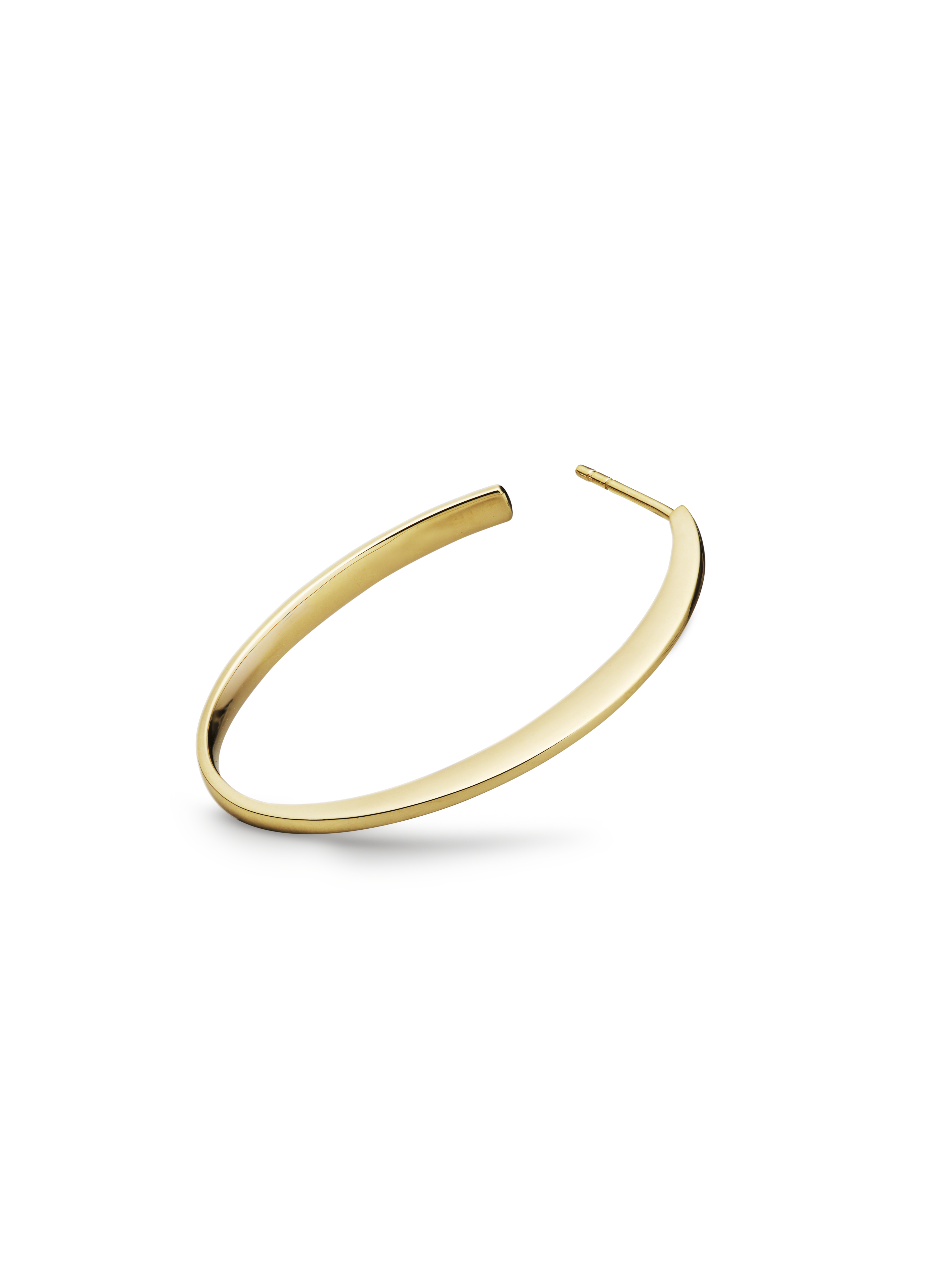
Why Does KINRADEN Use Recycled 18 Karat Gold?
Material choice is an integral part of KINRADEN's approach to jewellery.
By working with recycled and purified 18 karat gold, existing precious material can remain in circulation and take on new form. Its 75% pure gold content gives it the warmth and character of high-karat gold, while its alloy composition provides the strength required for jewellery designed to be worn.
KINRADEN's production is certified by the Responsible Jewellery Council, reflecting an approach in which the origin of materials and the way jewellery is produced are considered alongside design and craftsmanship.
Can 18 Karat Gold Be Worn Every Day?
18 karat gold is well suited to regular wear, combining a high proportion of pure gold with the additional strength provided by its alloy.
Like all precious metals, however, its surface responds to wear. Small marks and changes can develop over time as a piece becomes part of everyday life.
To care for 18 karat gold jewellery, avoid unnecessary contact with harsh chemicals, perfumes, and cleaning products. When not being worn, pieces should be stored carefully to help protect their surfaces.
For more detailed advice, explore the KINRADEN Jewellery Care Guide.
Gold Jewellery to Wear and Keep
Gold jewellery is not defined by its material value alone. Proportion, craftsmanship, construction, and the relationship between a piece and the body all shape how it is experienced.
At KINRADEN, architectural principles of rhythm, balance, structure, and negative space are translated into jewellery at an intimate scale. Recycled 18 karat gold becomes part of this language, whether used alone or in contrast with Queensland sapphires and Mpingo blackwood.
Some pieces become part of everyday life. Others mark particular moments before gradually becoming pieces we return to again and again. What connects them is the idea that jewellery can gather meaning through wear and remain relevant beyond a particular season or occasion.
Explore our gold jewellery, including gold rings, gold earrings, necklaces, and pendants crafted in recycled 18 karat gold.
FAQ
Is Recycled 18K Gold the Same Quality as Newly Mined Gold?
Recycled gold is refined before being used again. Once refined to the required purity, it retains the same fundamental properties as gold from newly mined sources. In KINRADEN's 18 karat gold, 75% of the alloy is pure gold.
Does 18K Gold Tarnish?
Gold is naturally resistant to tarnishing. Because 18 karat gold contains 75% pure gold, it is well suited to jewellery intended for regular wear. Its surface can still develop small marks and signs of wear over time, which are a natural part of wearing fine jewellery.
If you have any questions or would like guidance when choosing gold jewellery, our Customer Service is always here to help. Whether you are considering the right design, material, or piece, you are always welcome to contact us for personal guidance.
With Love,
KINRADEN