
Silnova® Silver: A New Generation of Silver
Silver has long been valued in jewellery for its brightness, versatility and ability to take on precise sculptural forms. Silnova® builds on these qualities while addressing one of silver's most familiar characteristics: its tendency to tarnish over time.
Introduced at KINRADEN in 2026, Silnova® is a patented silver alloy developed in Italy. Infused with palladium, it offers a brighter appearance and significantly greater resistance to tarnishing than traditional sterling silver.
For KINRADEN, Silnova® represents an evolution of a familiar material, allowing silver jewellery to retain its clarity and character for longer.
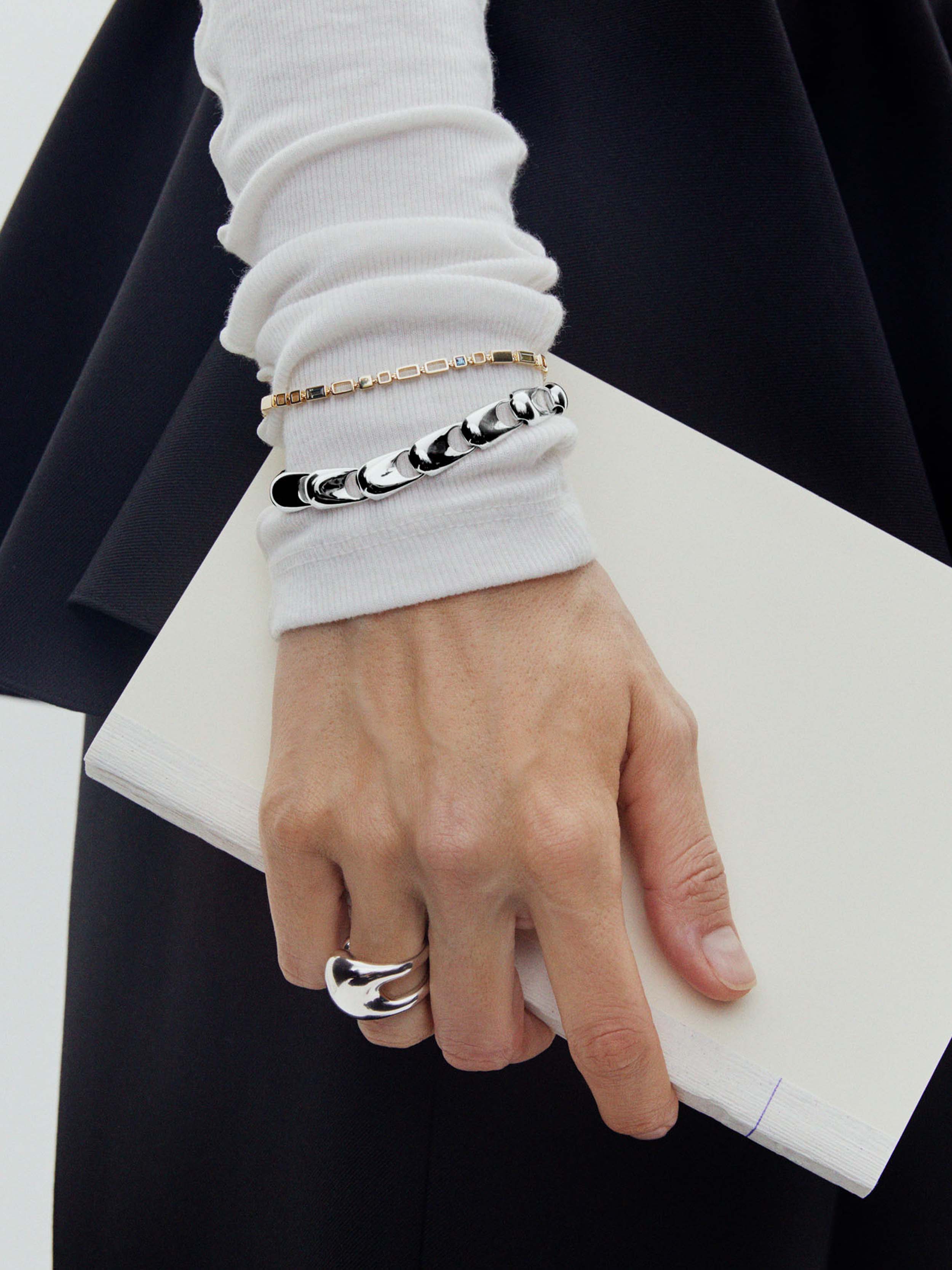
What Is Silnova® Silver?
Silnova® is a patented silver alloy developed in Italy.
Unlike traditional sterling silver, its composition includes palladium, a precious metal that helps improve the silver's resistance to oxidation and tarnishing.
The result is a bright silver alloy developed to retain its appearance for longer while preserving the qualities that make silver suited to fine jewellery.
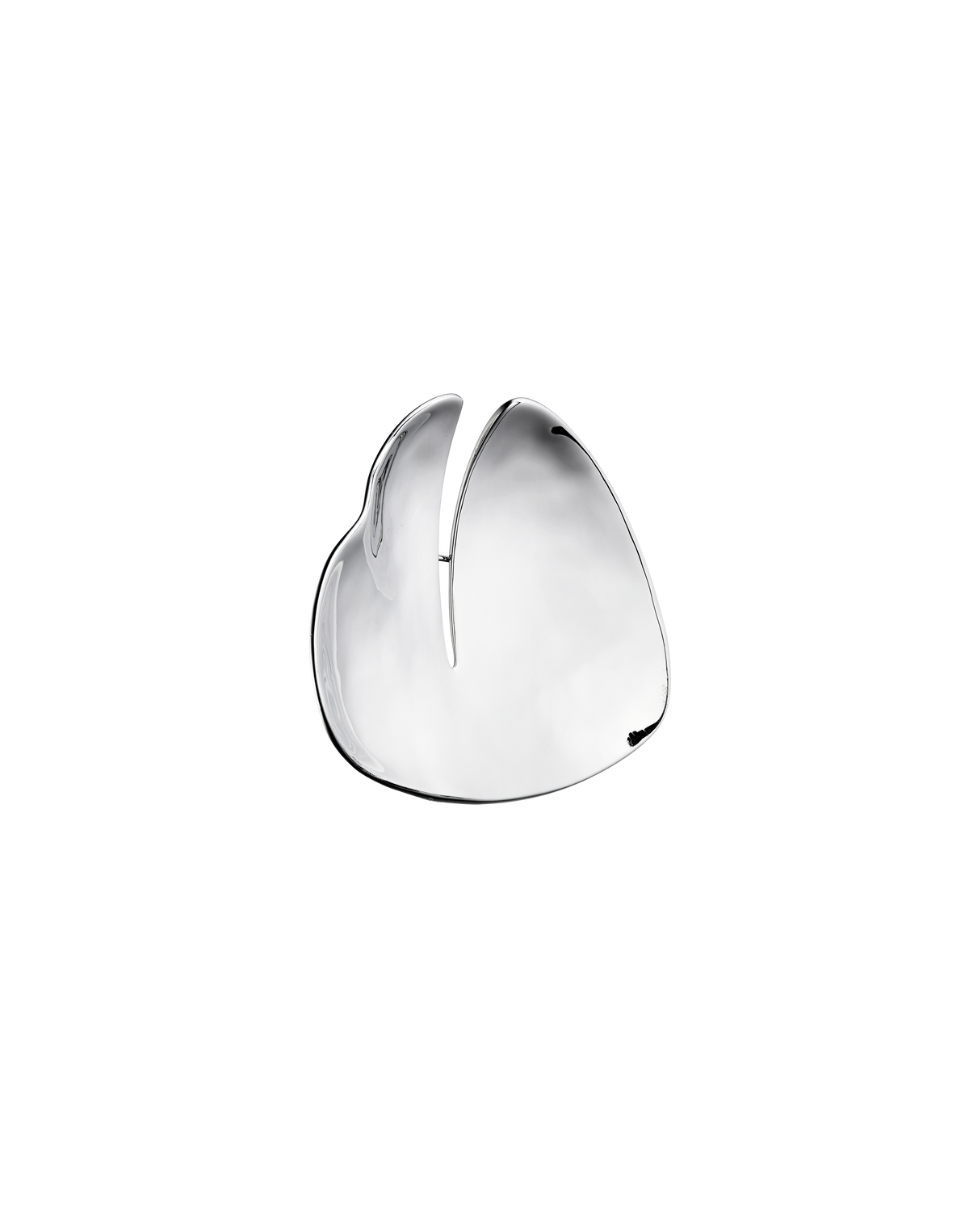
What Makes Silnova® Different from Sterling Silver?
Traditional sterling silver naturally reacts with elements in its surroundings over time. This process can cause the surface to darken, commonly known as tarnishing.
Silnova® has been developed to be significantly more resistant to this process. The alloy is up to 20 times more resistant to tarnishing than traditional sterling silver.
This does not mean that Silnova® can never change in appearance. Silver remains a material that responds to wear and its environment. The difference is that Silnova® is designed to retain its bright surface for considerably longer.
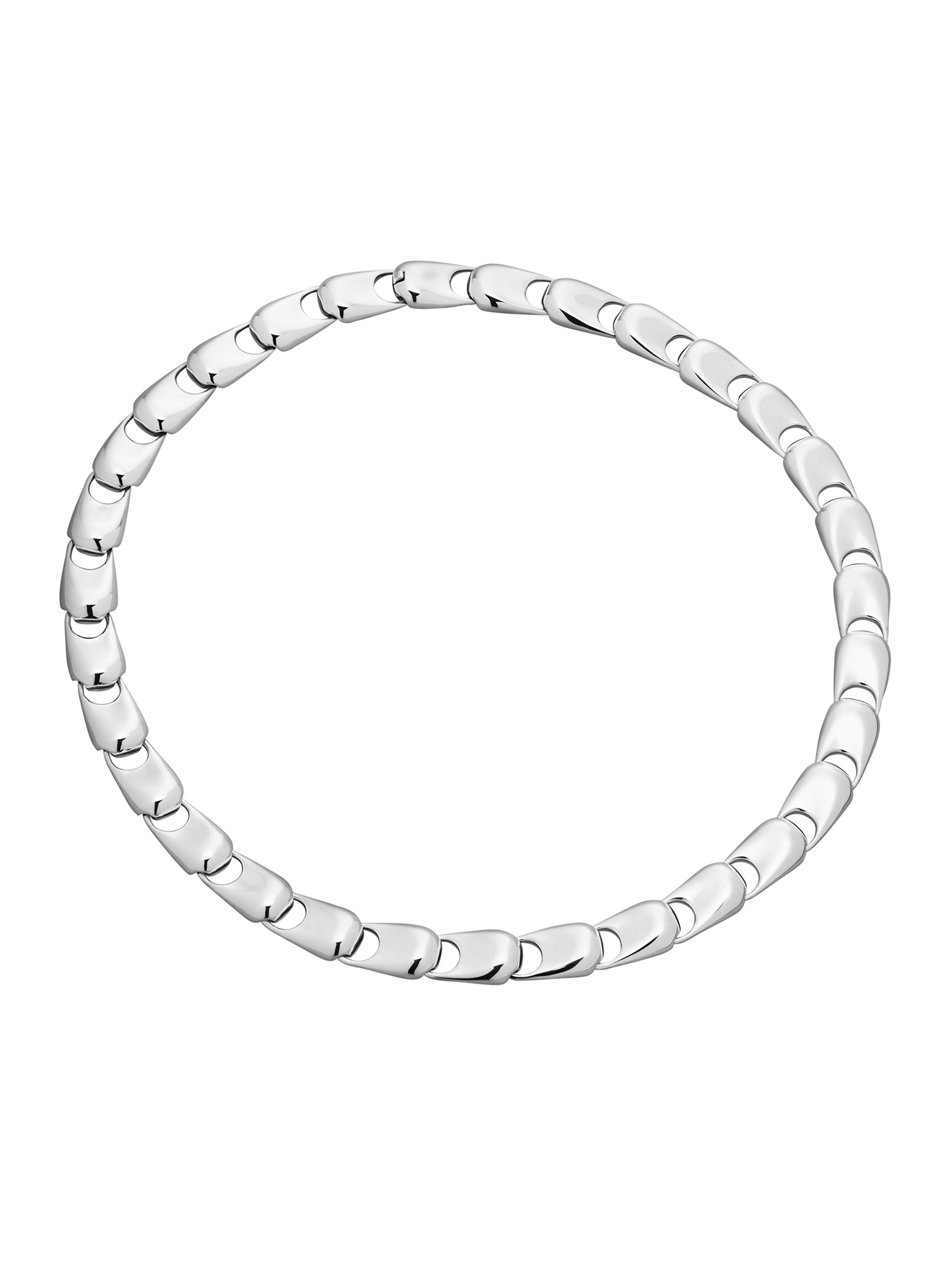
Why Is Palladium Used in Silnova® Silver?
Palladium is a precious metal valued for its resistance to corrosion and oxidation.
In Silnova®, palladium forms part of the alloy and contributes to its increased resistance to tarnishing while supporting its bright appearance.
The result is a silver alloy with a character that sits closer visually to the clarity associated with white precious metals, while remaining distinctly silver.
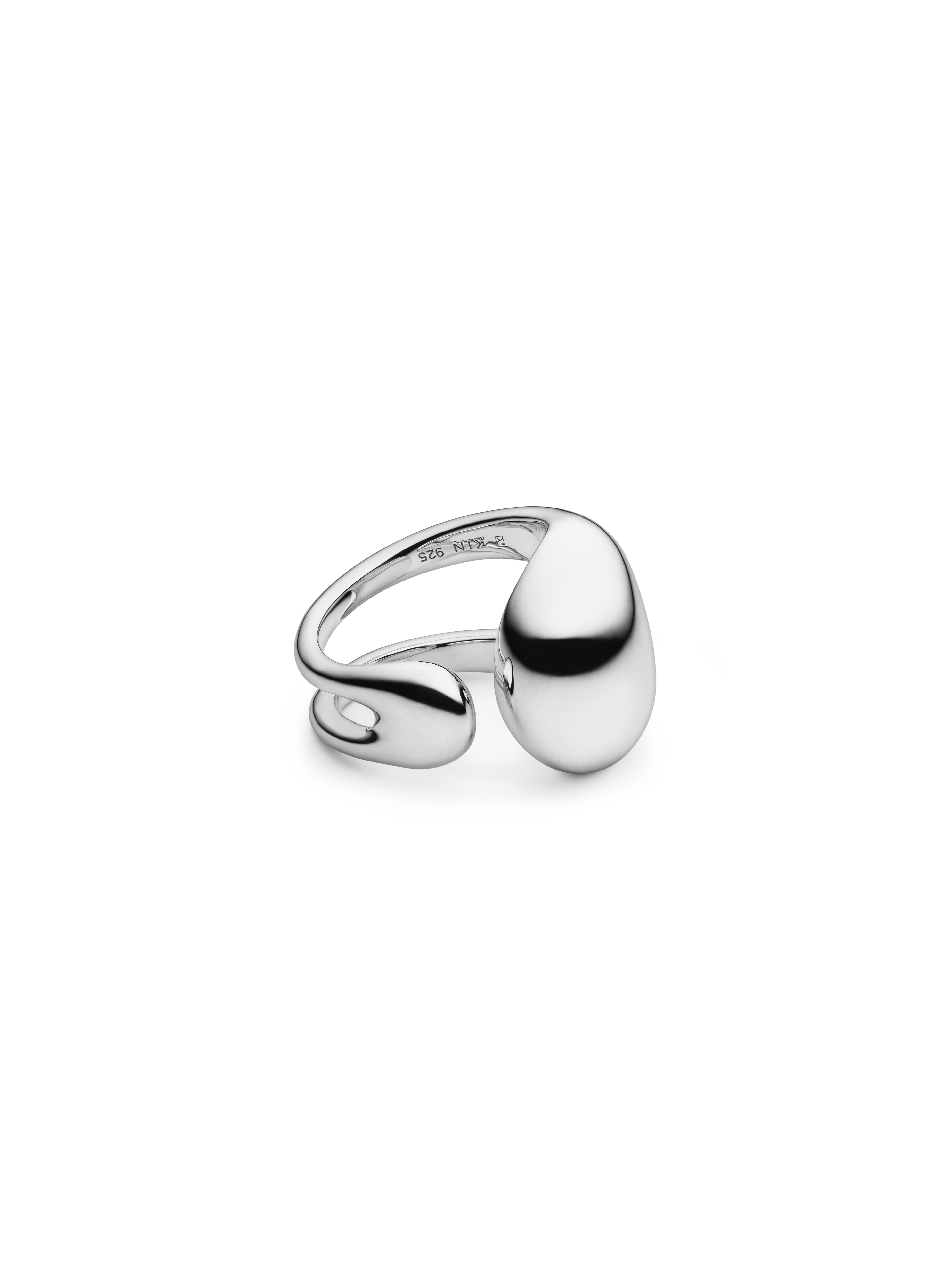
Why Does KINRADEN Use Silnova® Silver?
Material is fundamental to the way KINRADEN approaches jewellery. Form, proportion and construction matter, but so does how a material responds to being worn over time.
Silnova® allows KINRADEN to work with the sculptural qualities and brightness of silver while offering greater resistance to the natural tarnishing associated with traditional sterling silver.
For jewellery intended to become part of everyday life, that added resistance gives the material a practical quality alongside its visual character.
Is Silnova® the Same as Sterling Silver?
No. Silnova® and traditional sterling silver are different silver alloys.
Sterling silver is traditionally composed of 92.5% silver combined with other metals. Silnova® uses a patented alloy composition that includes palladium and has been developed specifically to improve resistance to tarnishing.
Both are silver materials, but their composition and performance differ.
Does Silnova® Silver Tarnish?
Silnova® is highly resistant to tarnishing, but this does not mean that the material is completely immune to changes over time.
Contact with the environment, cosmetics, chemicals and everyday wear can still affect the surface of jewellery.
Compared with traditional sterling silver, however, Silnova® is up to 20 times more resistant to tarnishing, helping the jewellery retain its bright appearance for longer.
Silnova® Across KINRADEN Jewellery
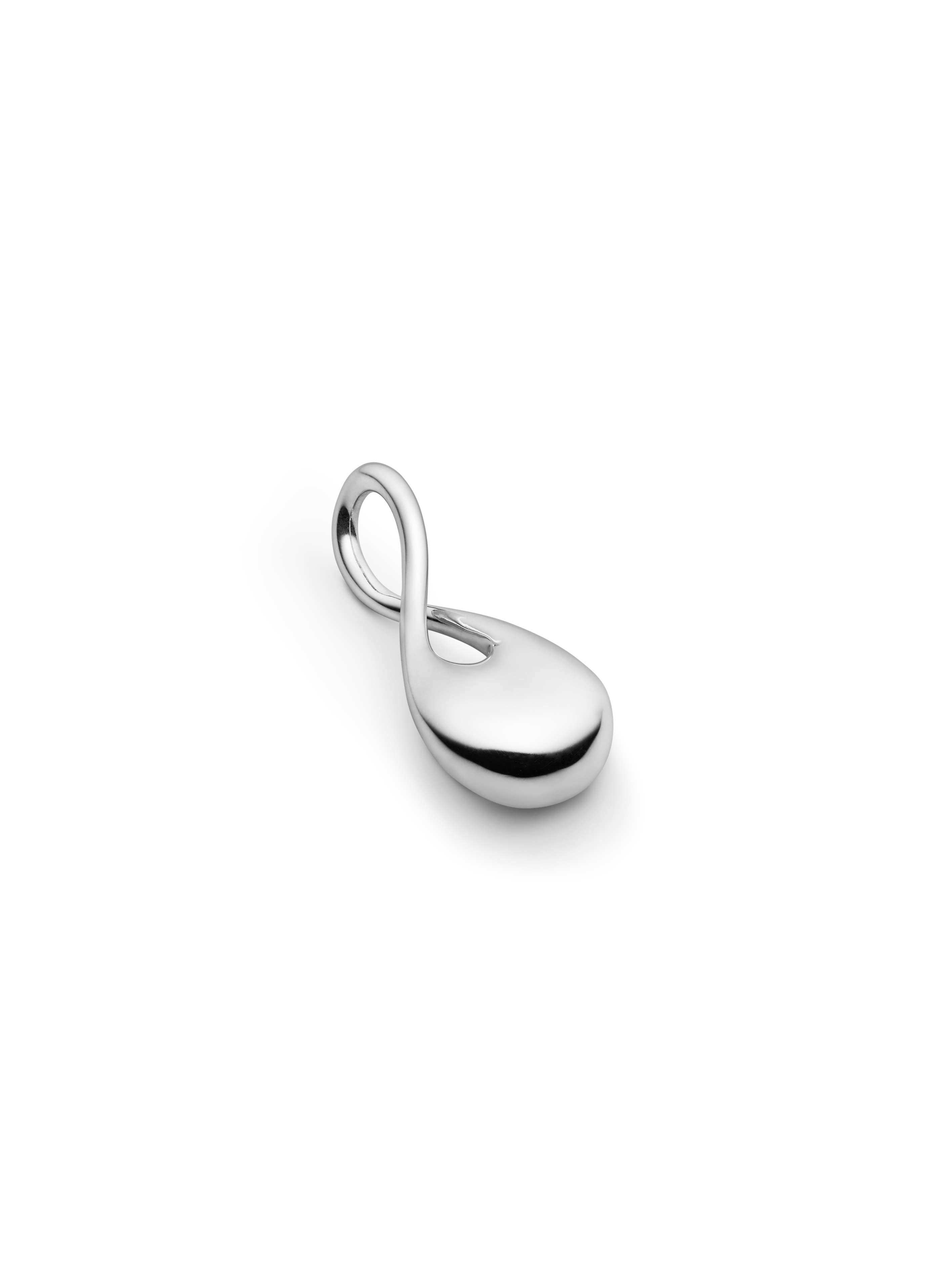
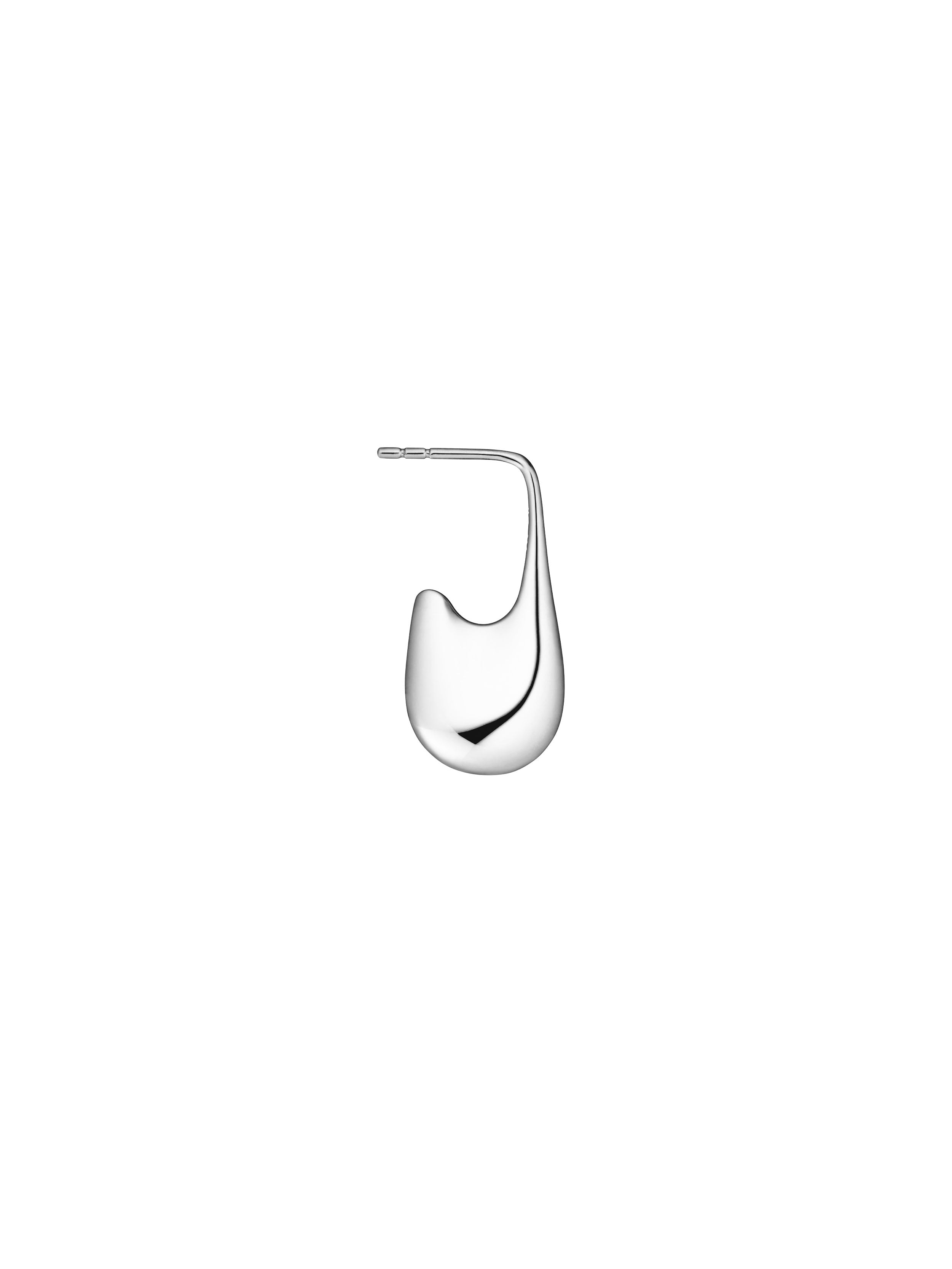
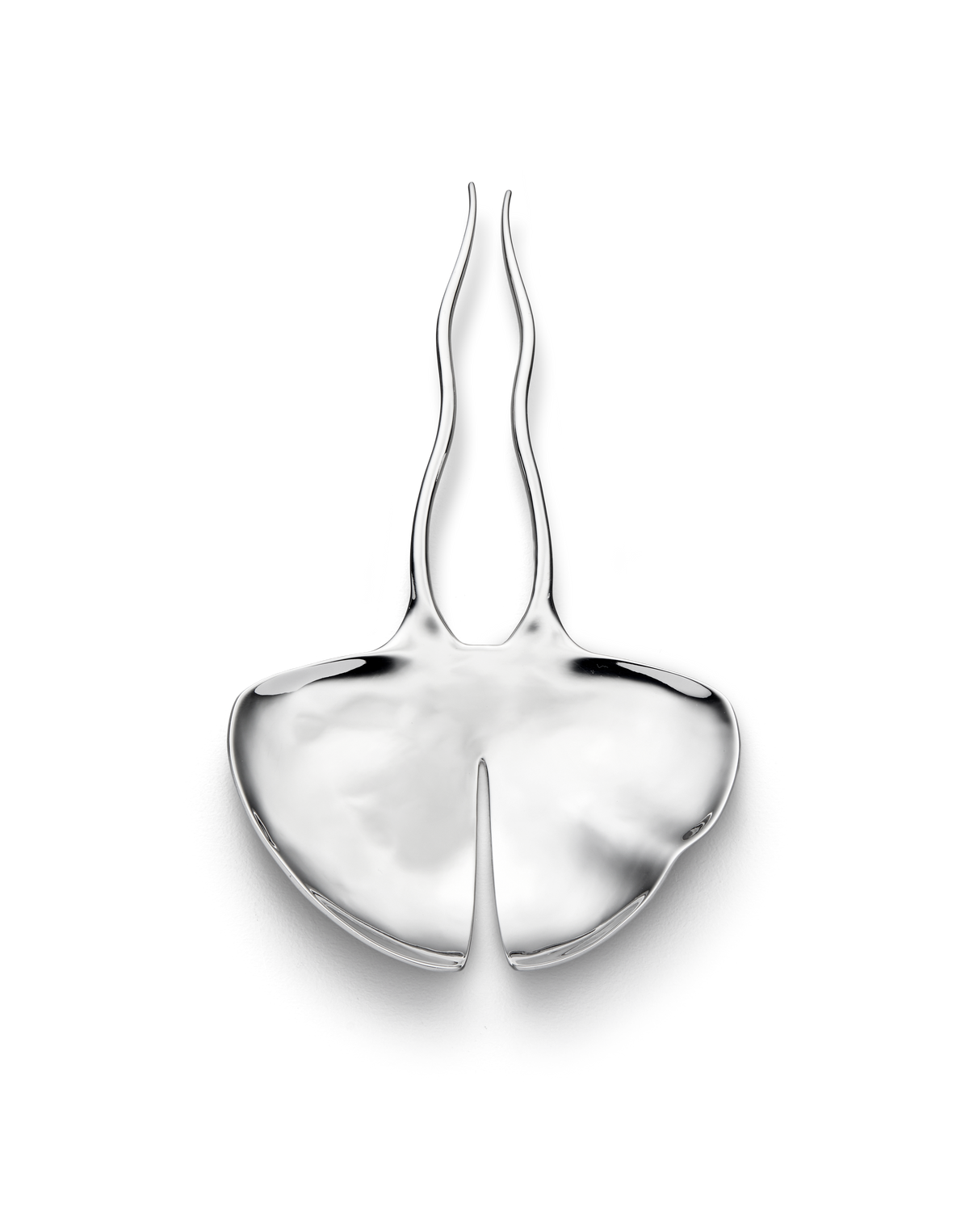
Silnova® is being introduced across KINRADEN's silver jewellery, bringing the material into designs shaped by the house's architectural approach to proportion, structure and form.
As KINRADEN transitions to Silnova®, individual product pages provide the specific material information for each piece.
How to Care for Silnova® Silver
Silnova® requires less maintenance to retain its bright appearance than traditional sterling silver, but thoughtful care will help preserve the surface of the jewellery.
Avoid unnecessary contact with perfumes, cosmetics and harsh chemicals. When not being worn, store jewellery carefully and separately to help protect it from scratches and surface wear.
For more detailed advice, explore the KINRADEN Jewellery Care Guide.

FAQ
Is Silnova® More Tarnish Resistant Than Sterling Silver?
Yes. Silnova® has been developed to provide significantly greater resistance to tarnishing and is up to 20 times more resistant than traditional sterling silver.
Does Silnova® Contain Palladium?
Yes. Silnova® is a patented silver alloy infused with palladium. The addition of palladium contributes to its bright appearance and increased resistance to tarnishing.
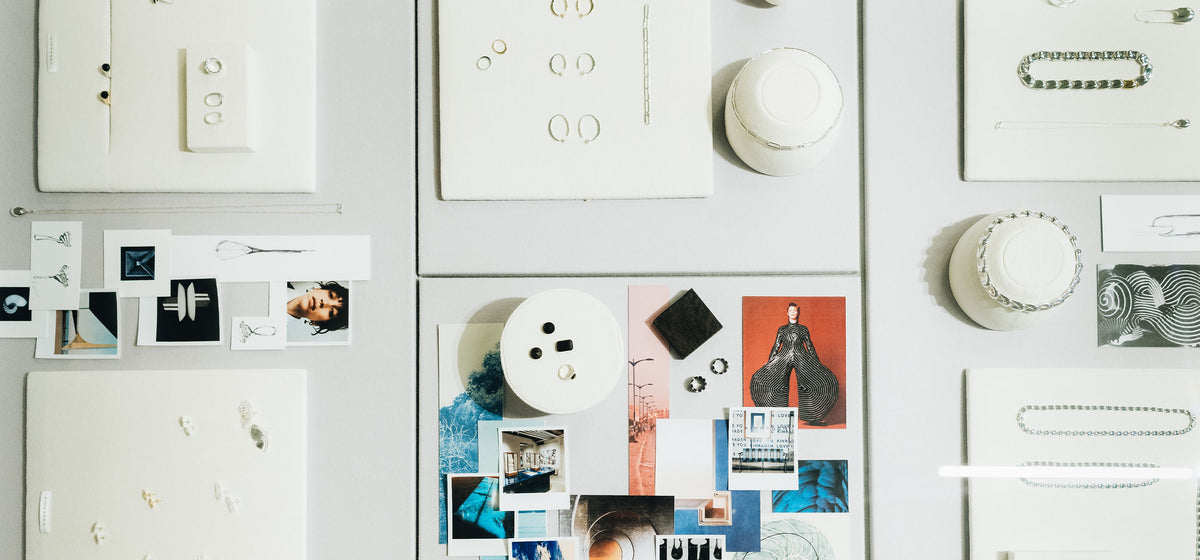
A FAMILIAR MATERIAL, RECONSIDERED
With Silnova®, the familiar qualities of silver remain, while its resistance and durability are reconsidered for jewellery made to be worn over time.
For KINRADEN, this is not about changing silver into something else. It is about asking more of a material we already know.
As we transition to Silnova®, the exact silver composition may vary between designs. If you would like to know more about the material used in a specific piece, our Client Advisory team welcomes your enquiry at customerservice@kinraden.com.
With Love,
KINRADEN