
Mpingo Blackwood: A Material at the Heart of KINRADEN
Mpingo is one of KINRADEN's signature materials. Also known as African blackwood, the naturally dark wood is sourced from FSC-certified forest in Tanzania and transformed into a material for fine jewellery.
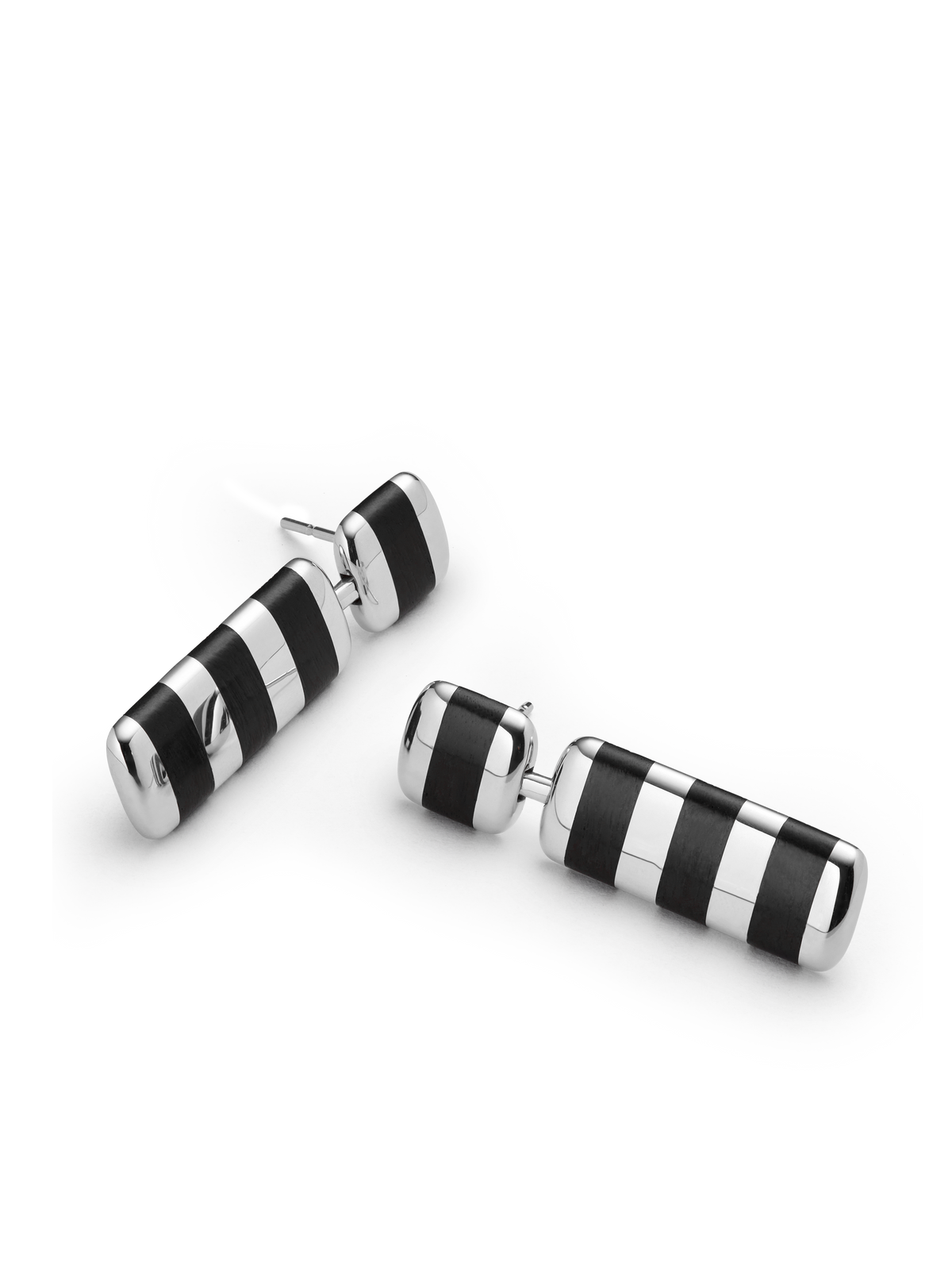
At KINRADEN, Mpingo is valued for both its physical and expressive qualities. Its deep black surface creates a distinct contrast with precious metals, while its density allows it to be cut with remarkable precision.
Rather than treating wood as an unexpected substitute for a traditional gemstone, KINRADEN approaches Mpingo as a precious material in its own right.
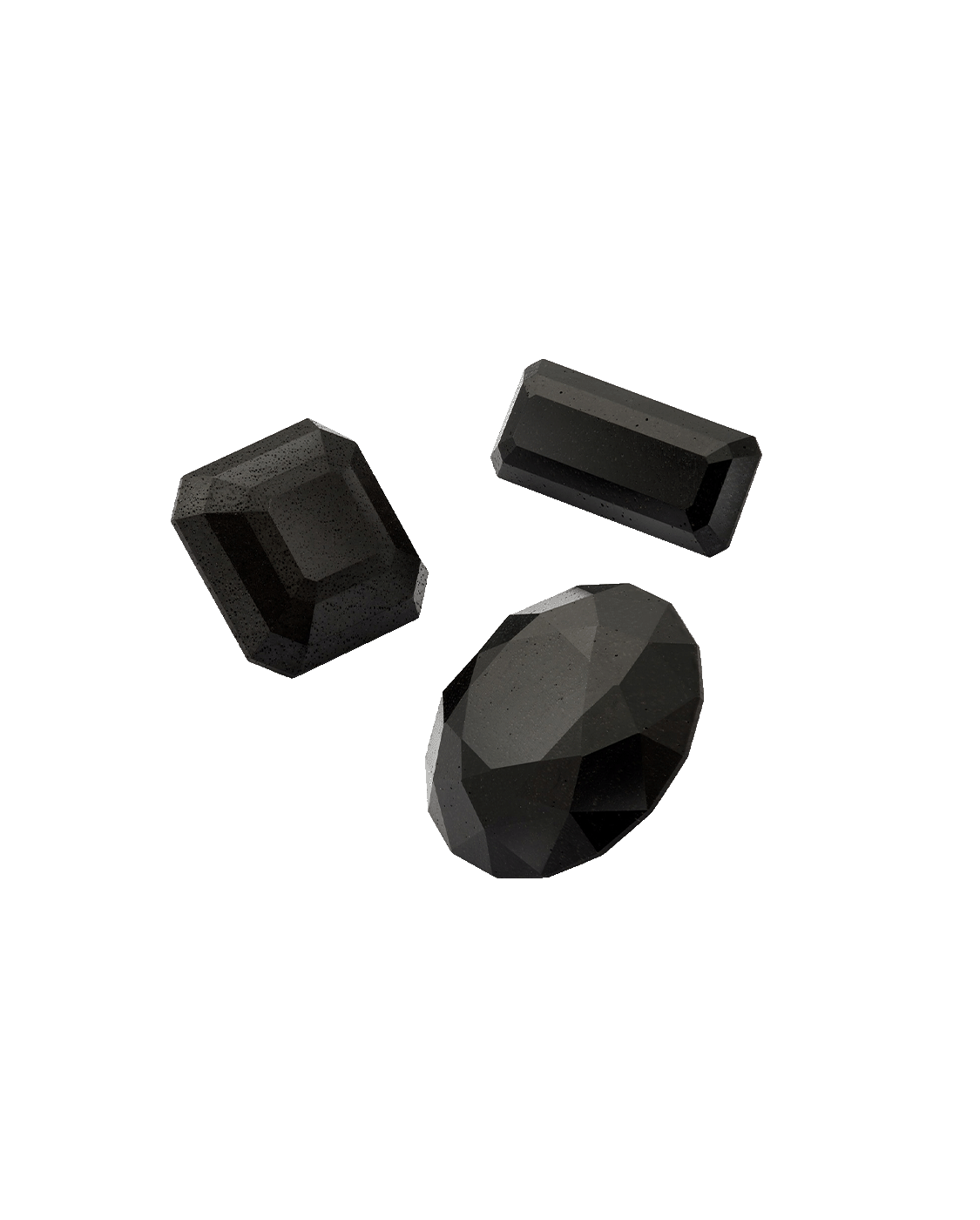
What Is Mpingo Blackwood?
Mpingo, also known as African blackwood, is a dense, naturally dark hardwood native to parts of eastern Africa.
The material has a long history of use in objects that demand precision, particularly musical instruments, where its density and stability are highly valued.
In KINRADEN jewellery, these same material qualities allow Mpingo to be worked at a much smaller scale and incorporated into sculptural compositions alongside precious metals.
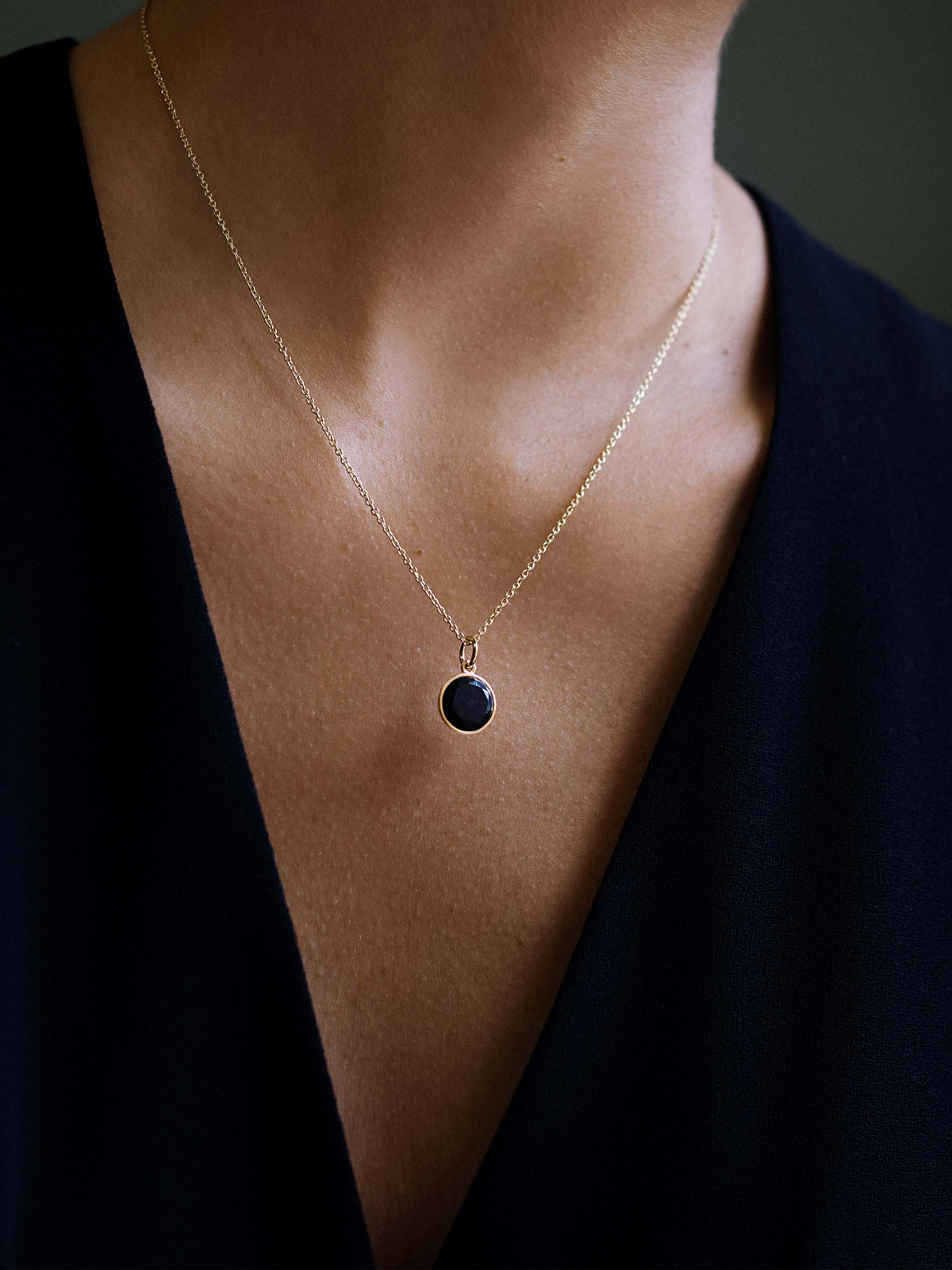
Where Does KINRADEN's Mpingo Come From?
The Mpingo used by KINRADEN comes from FSC-certified forest in Tanzania.
KINRADEN works with off-cuts of Mpingo, giving existing pieces of this precious material a new purpose at the scale of jewellery.
Its origin is an important part of the material story. Rather than separating design from sourcing, KINRADEN considers where a material comes from, how it is used and how its inherent qualities can inform the finished piece.
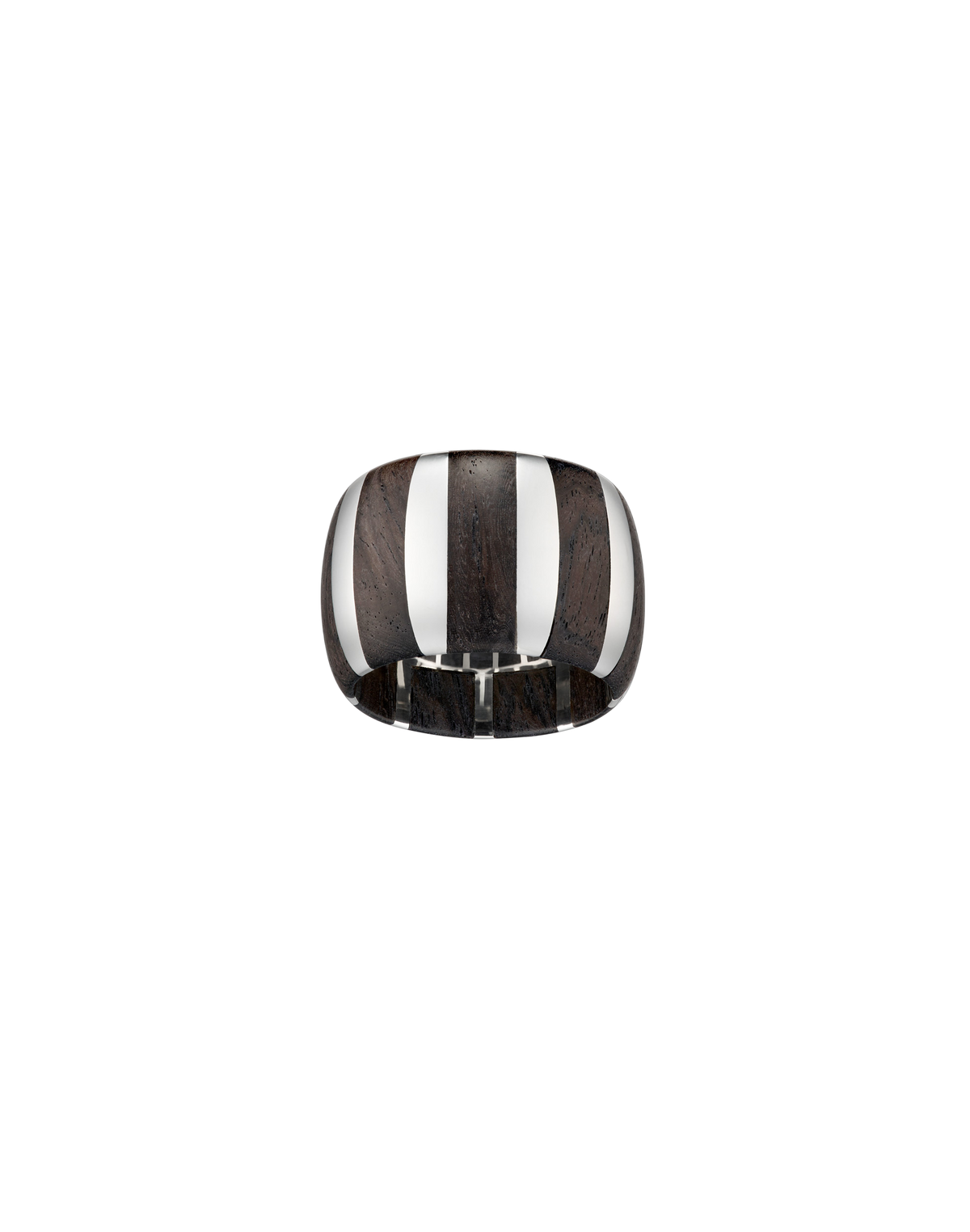
How Is Mpingo Used in Fine Jewellery?
Working with wood at the scale of fine jewellery requires precision.
KINRADEN's Mpingo is diamond-cut, allowing the material to be shaped with crisp facets and precise surfaces more commonly associated with gemstones. Each piece is then finished with beeswax, preserving the tactile character of the wood and bringing depth to its naturally dark surface.
Because Mpingo is a natural material, subtle variations can occur from one piece to another. These differences are part of the material rather than something to be concealed.
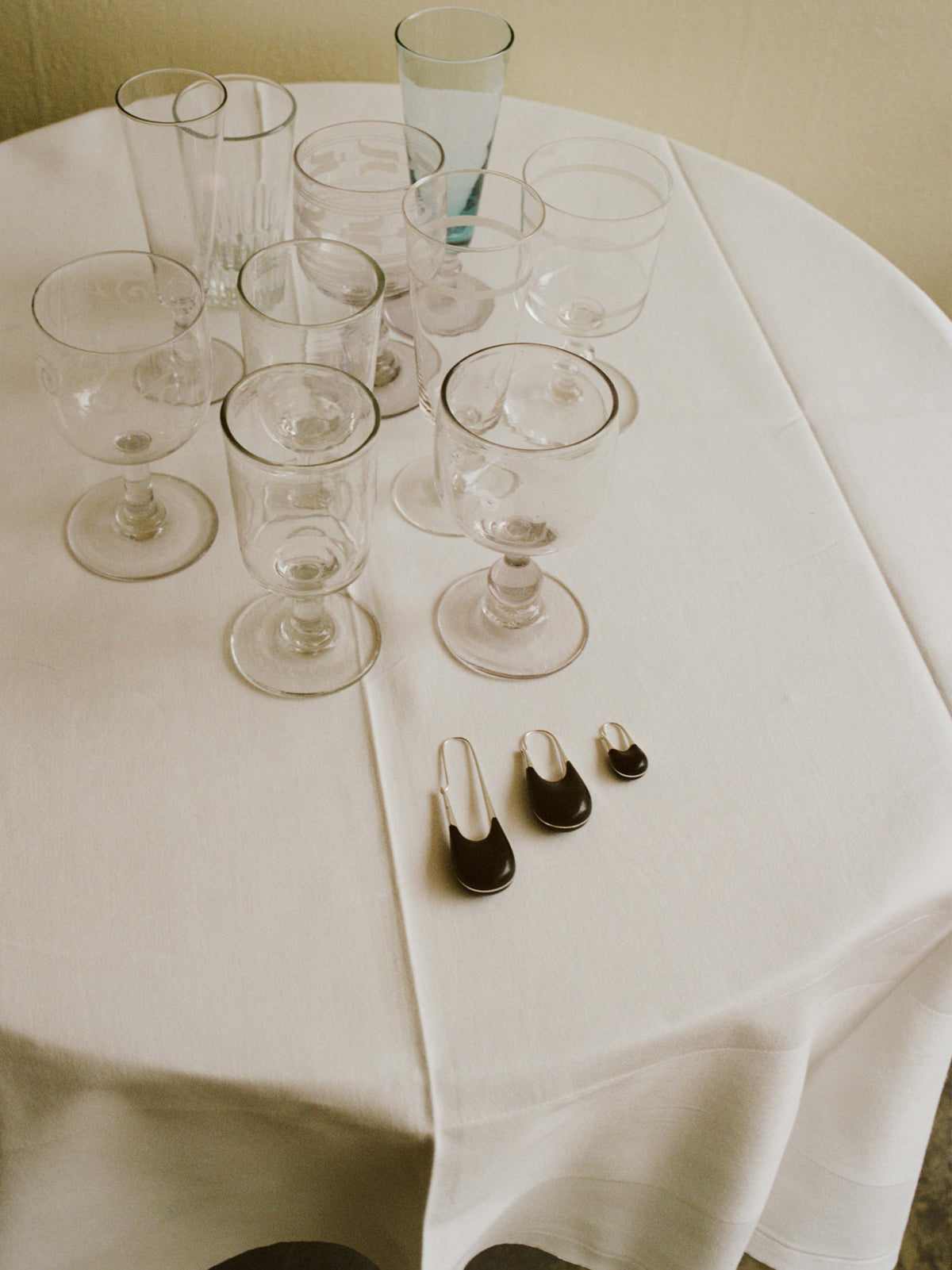
Why Does KINRADEN Use Mpingo?
For KINRADEN, material is part of the design language.
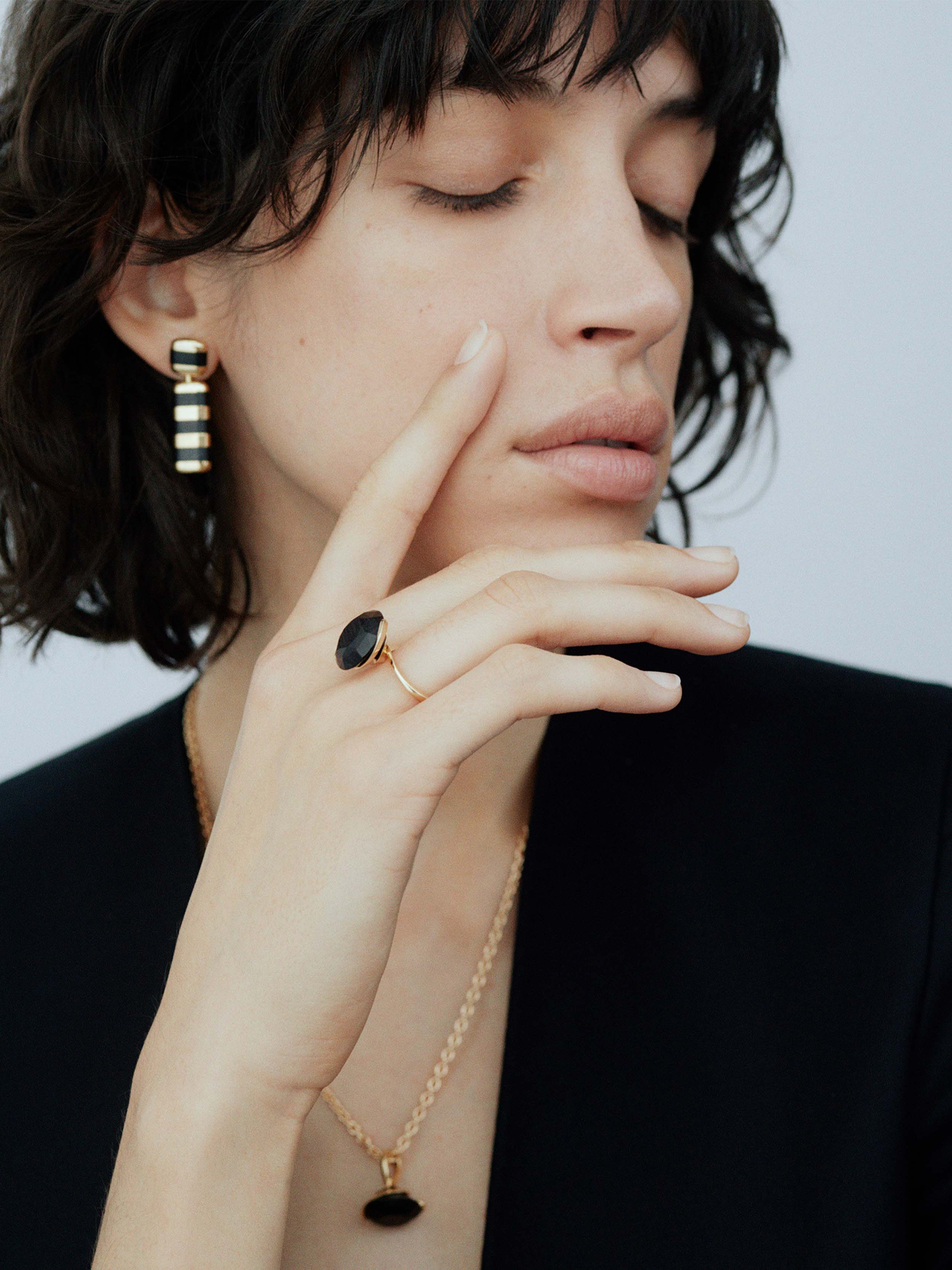
Mpingo introduces a visual and tactile contrast to gold and silver. Its dark surface meets the reflection of precious metal, creating compositions defined by differences in colour, texture and weight.
This contrast also reflects a broader principle within KINRADEN's work: different materials do not need to imitate one another to belong together. Each can retain its own character while becoming part of a single composition.
Mpingo has therefore become one of the materials most closely associated with KINRADEN.
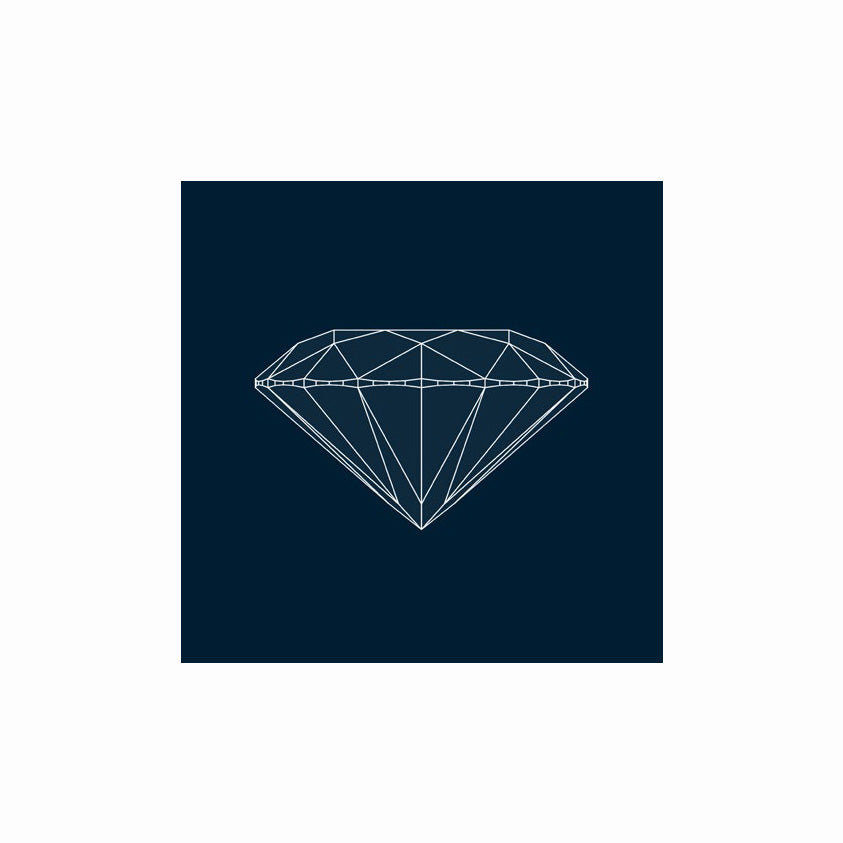
THE KINDRED COLLECTION
In the Kindred Collection, Mpingo becomes part of a restrained material language where precious metal and blackwood meet in simple, graphic forms.
The contrast between the depth of the wood and the surface of the metal allows each material to remain distinct, while together they form a single composition.
THE KINDRED COLLECTION
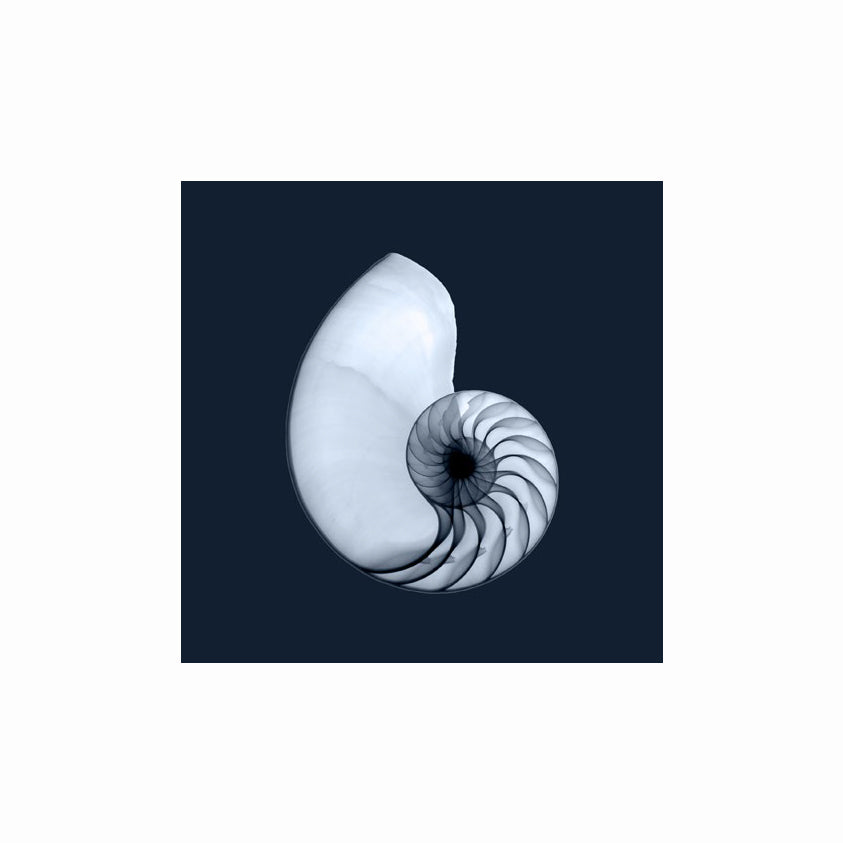
THE NAUTILUS COLLECTION
In the Nautilus Collection, Mpingo is shaped into sculptural forms informed by the spiral geometry of the nautilus and the proportions found throughout the natural world.
Pieces including the PETAL Ring and MIST Earring bring the dark depth of Mpingo together with recycled 18K gold, allowing the material to become part of the collection's exploration of proportion, movement and form.
THE NAUTILUS COLLECTION
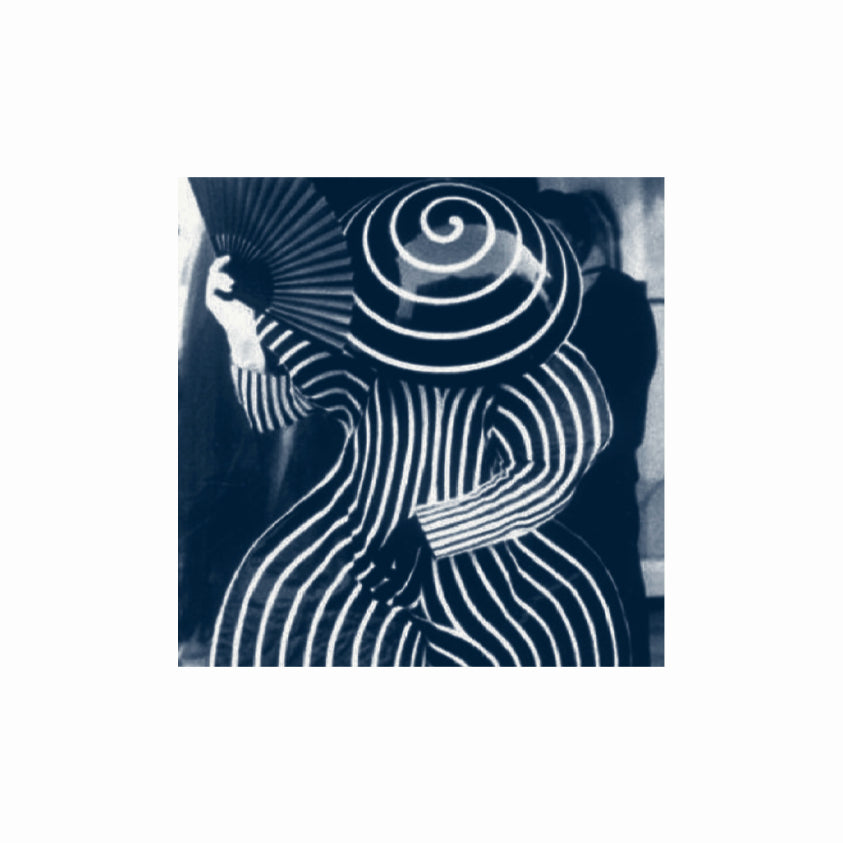
THE TWO WORLDS COLLECTION
Two Worlds makes the contrast between materials central to the composition. Precious metal meets Mpingo blackwood in graphic forms informed by geometry, movement and the Bauhaus.
Rather than blending the materials into one expression, their differences remain visible: light and darkness, reflection and depth, metal and wood.
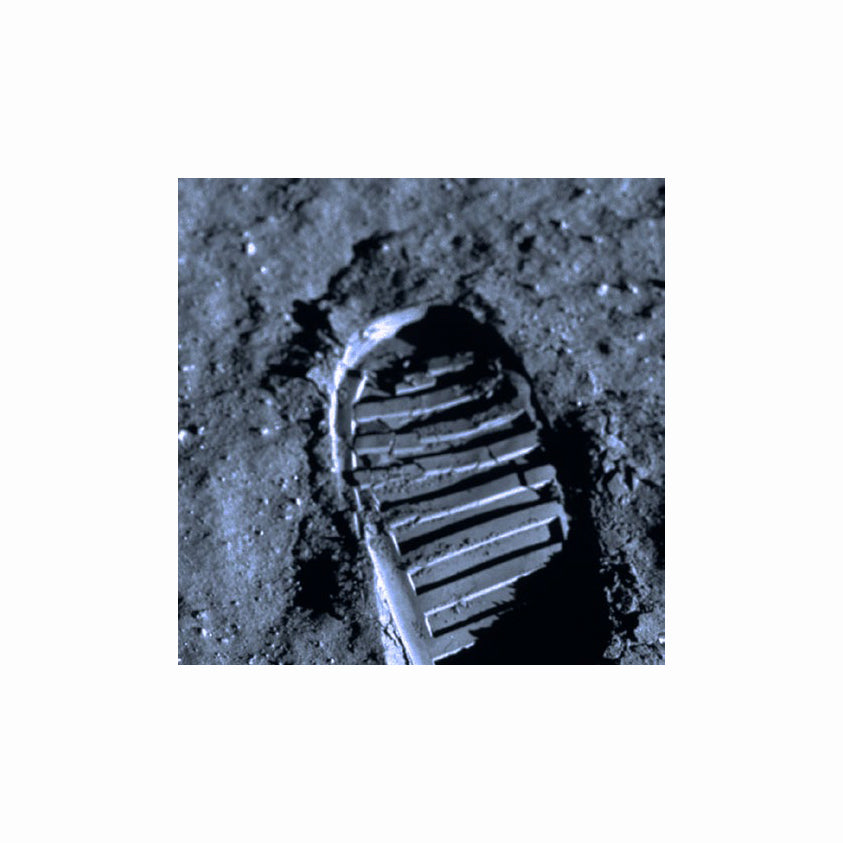
THE IMPRINT COLLECTION
In the Imprint Collection, Mpingo appears alongside precious metal in pieces shaped by ideas of presence, endurance and the traces we leave behind.
Its deep black surface gives the material a distinct presence within the jewellery, creating contrast while becoming part of the collection's exploration of form and meaning.
THE IMPRINT COLLECTION
How to Care for Mpingo Jewellery
Mpingo is a natural material and should be treated with consideration.
Avoid prolonged exposure to water, perfumes, chemicals and significant changes in temperature or humidity. When the jewellery is not being worn, store it carefully and separately from other pieces.
For more detailed advice on caring for KINRADEN jewellery and its materials, explore the KINRADEN Jewellery Care Guide.
FAQ
Is Mpingo the Same as African Blackwood?
Yes. Mpingo is the Swahili name commonly used for African blackwood. KINRADEN uses the term Mpingo for the FSC-certified blackwood sourced from Tanzania that has become one of the house's signature materials.
Why Is Mpingo Used in Jewellery?
Mpingo is naturally dense and can be worked with great precision. At KINRADEN, it is diamond-cut and used alongside precious metals, where its naturally dark surface creates a distinct contrast in colour, texture and material.
FROM MATERIAL TO FORM
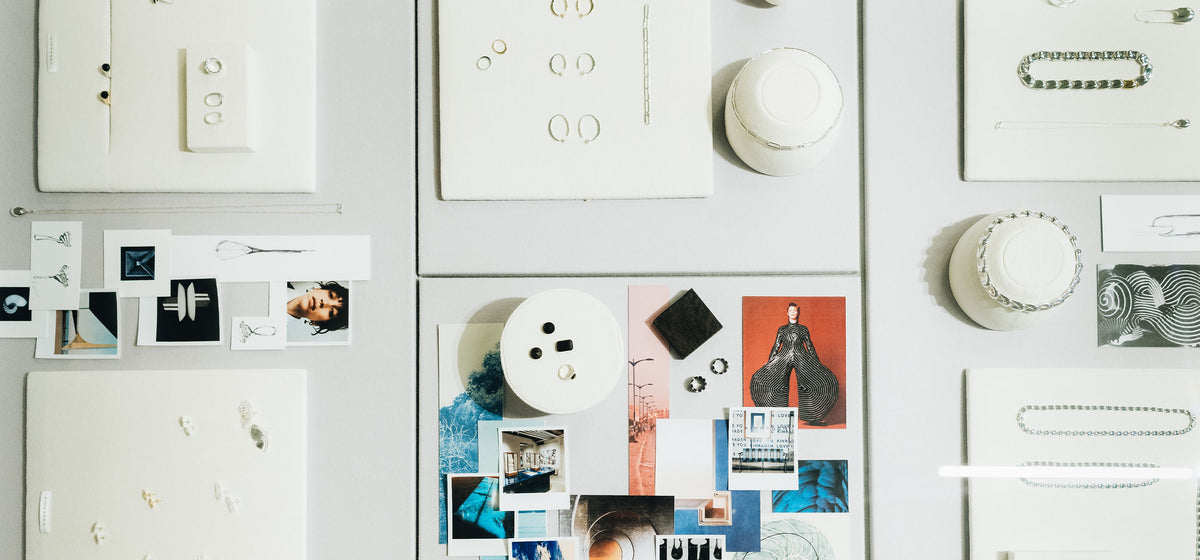
Mpingo begins as a natural material, shaped by time and place. In KINRADEN jewellery, it moves into another scale, where its density, depth and natural character become part of the design.
Cut with precision and brought together with precious metals, the wood is transformed without losing what makes it distinct.
For KINRADEN, this is where material and design meet: not by asking one to imitate the other, but by allowing each to retain its own character.
With Love,
KINRADEN